Every Kyoto experiences search eventually turns up the same list. A kimono rental. A tea ceremony. A bamboo grove walk. A cooking class. The names repeat across dozens of sites until it becomes difficult to tell whether any of them are actually worth the money, or whether they are simply the experiences that show up highest in search results.
The honest answer is that some of them are genuinely worth booking and some exist mainly to be booked, and the difference rarely shows up in the marketing copy. It shows up in what actually happens once you arrive.
Why Not All Kyoto Experiences Is Worth Booking
Kyoto has an unusually large supply of bookable experiences, and that abundance cuts both ways. It means a traveller can find a genuinely well-run tea ceremony led by someone who has trained for years, and it means the same search results will just as easily surface a rushed, high-volume version of the same thing, staged for turnover rather than depth.
The difference rarely announces itself in the listing photos. A kimono rental and a tea ceremony can look identical in a thumbnail whether they are run with real care or run as a conveyor belt. What separates them is harder to see in advance: group size, whether the person leading it actually practises the craft, and whether the experience gives you something you could not have arranged simply by wandering into Kyoto on your own.
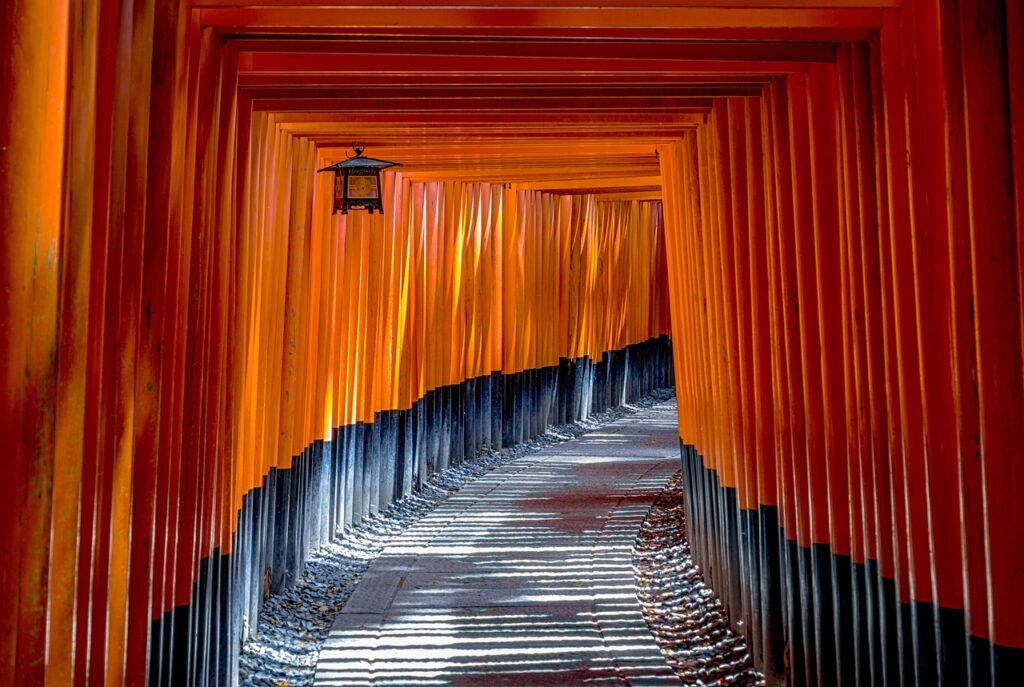
This matters more in autumn than in most seasons, because autumn is when Kyoto’s bookable experiences fill fastest and multiply hardest. Operators know the season draws a crowd willing to book almost anything with the word “autumn” or “kimono” attached to it, and the sheer volume of options makes it easy to book on convenience rather than on what the experience actually delivers.
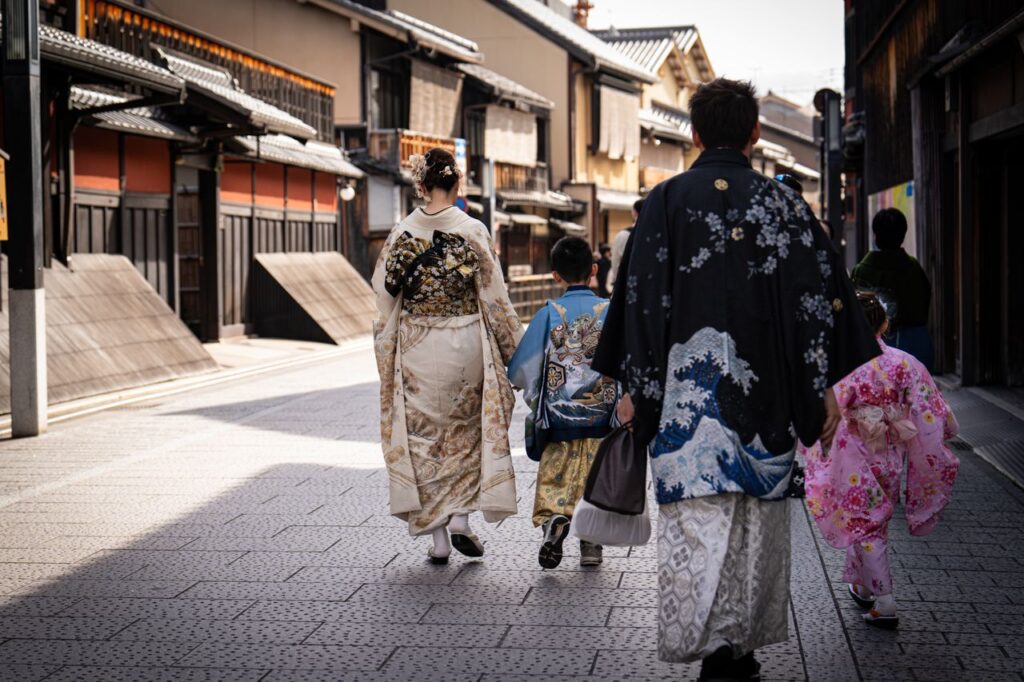
There is also a quieter reason this distinction matters, one that goes beyond simply getting your money’s worth. Kyoto’s Gion district has spent recent years tightening rules around its geiko and maiko, the city’s traditional performers and apprentices, after years of tourists chasing them for photographs on the district’s private residential streets. Several of those streets now carry official signage warning of a fine for unauthorised entry or photography. A properly run cultural experience, one where a performer has agreed to the interaction and is compensated for their time, is not just the more respectful option. It is also, in a very direct sense, the more meaningful one, an actual exchange rather than a stolen photograph of someone simply trying to get to work.
There is a cost dimension worth being honest about too. A well-run, small-group tea ceremony or craft workshop is rarely the cheapest version on the page, and it can be tempting to assume the difference in price is simply margin. Sometimes it is. More often, the gap reflects a genuinely smaller group, a longer session, or a host who is paid properly for their time rather than processing back-to-back groups for a flat daily rate. Treating price as the only signal misses this, but treating the cheapest option with automatic suspicion misses it too. The price is one data point among several, not a verdict on its own.
It is also worth being honest about how autumn specifically changes this calculation. A guided walk or workshop that would be pleasant but skippable in a quieter month can become genuinely worth booking once the season’s crowds arrive, simply because it buys you a version of Kyoto, a temple garden with proper context, a market walk with someone who can point out what is actually in season, that would otherwise be lost in the noise of everyone else trying to see the same thing at the same time.
How to Tell What’s Worth Booking
Start with group size. A tea ceremony or craft workshop run for four or five people tends to give you something a group of thirty cannot: a chance to ask a real question and receive a real answer, rather than a scripted explanation delivered to a room. This is not a rule that price alone can confirm, since a larger group can still charge a premium price. It is worth checking the stated group size directly rather than assuming a higher price means a smaller room.
Look next at who is actually leading the experience. A tea ceremony conducted by someone who has trained in the practice for years feels different from one delivered as a script by whoever is rostered on that day, and that difference tends to come through in how a listing describes its host. Vague language, “a local expert,” “an experienced guide”, is worth treating as a small warning sign. A listing that names the practice’s lineage, the host’s background or the specific school of tea ceremony being taught is usually the more considered version.
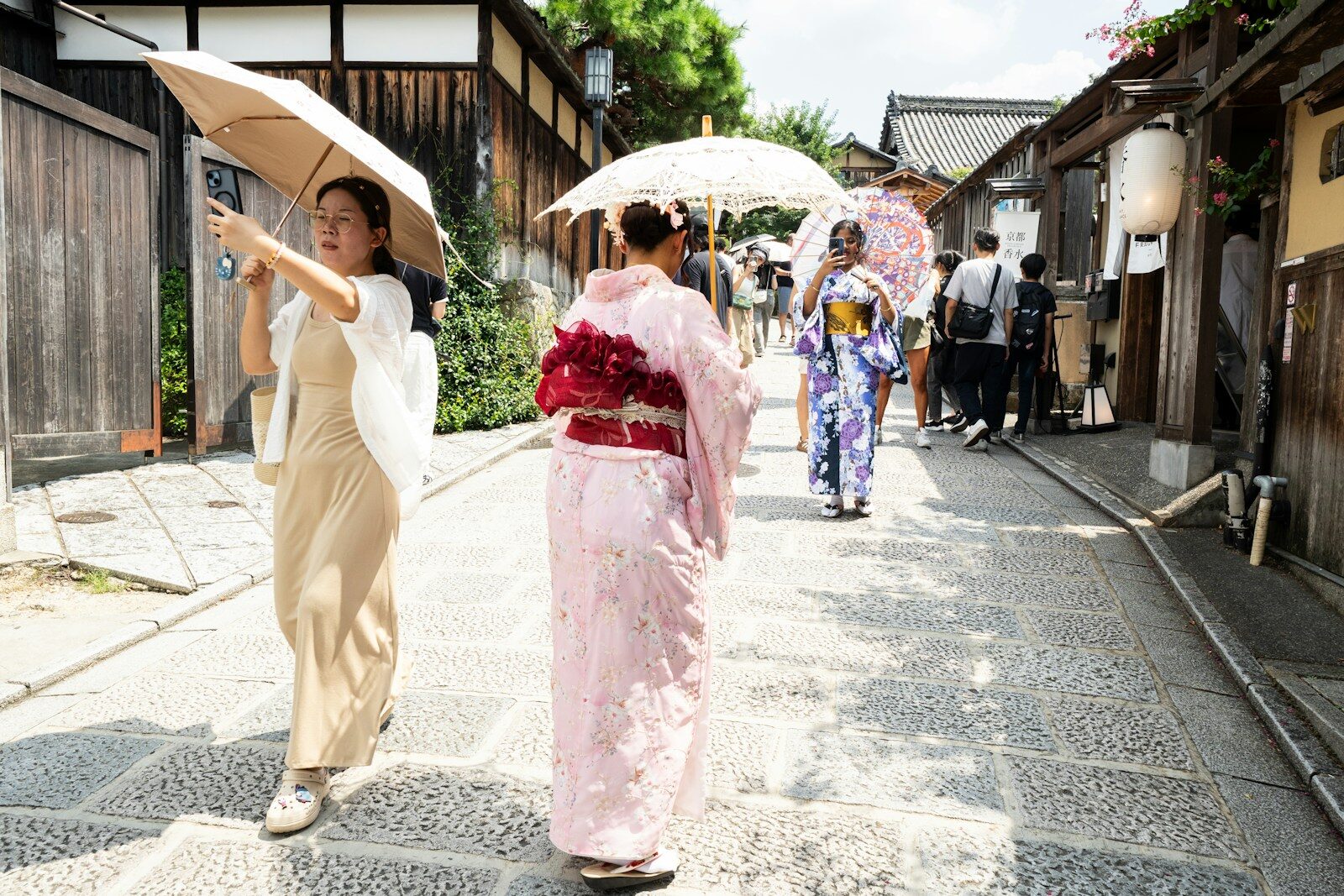
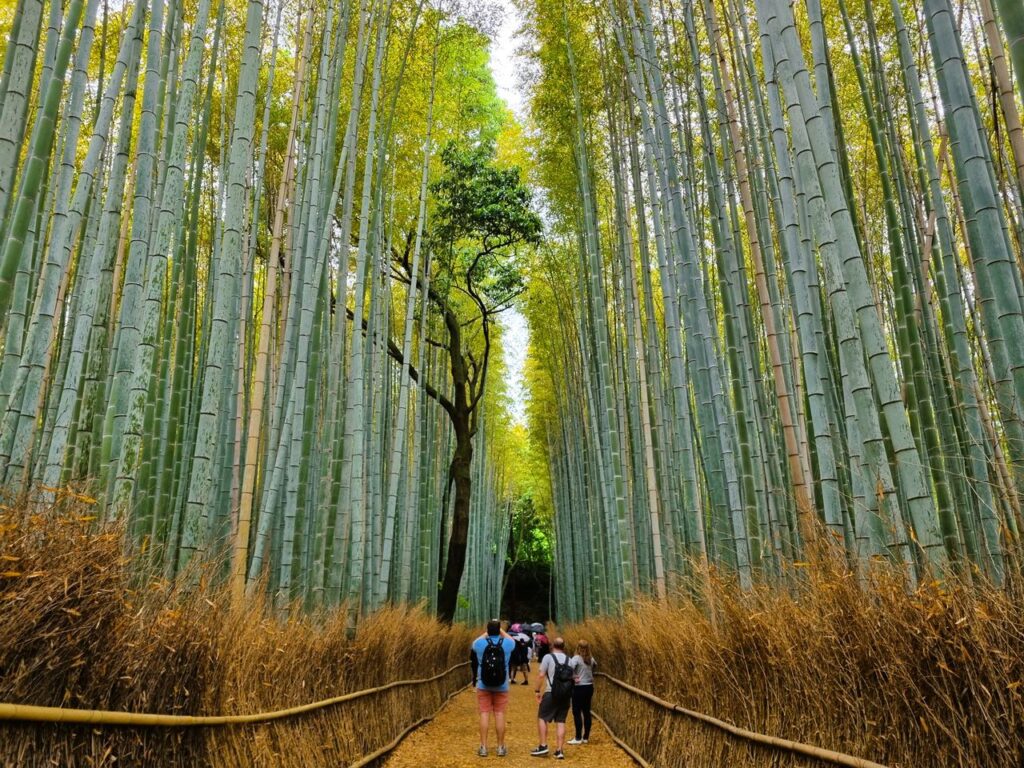
Ask what you would walk away with that you could not have arranged yourself. Renting a kimono and walking through Higashiyama is something almost anyone can do independently for less money than a bundled photography package. A tea ceremony that actually teaches the choreography behind each movement, a calligraphy session that explains why a particular character is written the way it is, or a guided walk through Arashiyama’s bamboo grove before the gates fill with day visitors, all offer something a self-guided version genuinely cannot replicate.
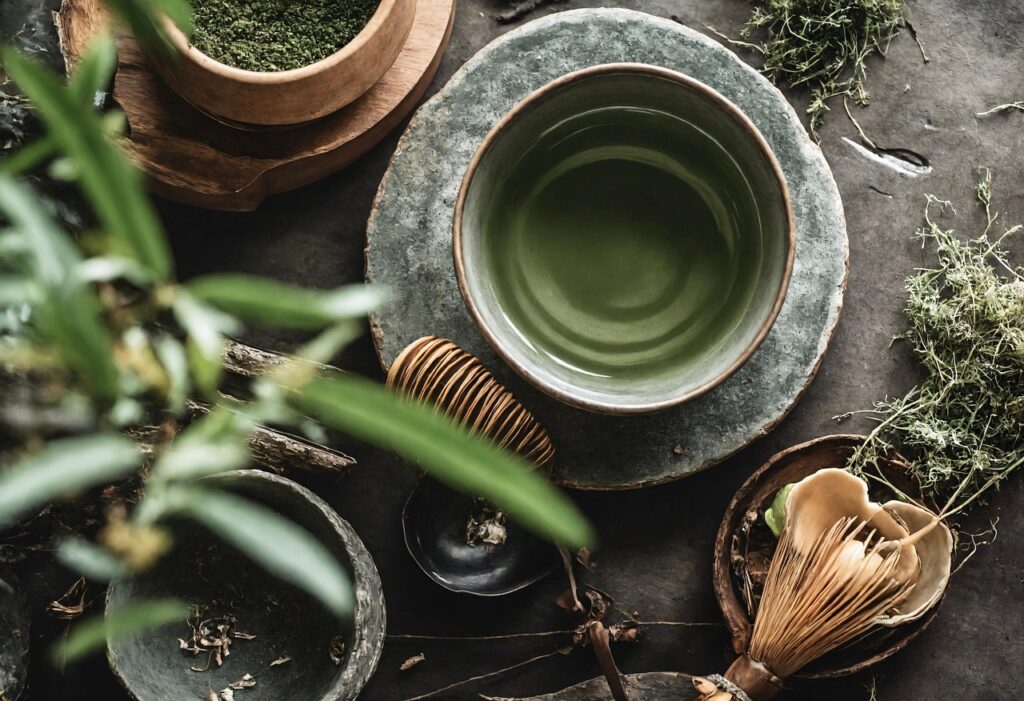
Finally, notice whether an experience treats its setting and its people as a backdrop or as the actual point. An experience built around watching a working craftsperson, drinking tea prepared by someone trained to prepare it, or walking through a garden with someone who can explain why it was designed the way it was, tends to hold up over time in memory. An experience built mainly around a costume and a photograph tends not to.
It is worth spending five minutes checking the operator itself before booking, not just the individual listing. A small studio or a named tea house that has been running the same experience for years tends to leave a visible trail, its own website, consistent reviews across more than one platform, sometimes a mention in older, unrelated travel writing rather than only recent listing sites. A booking page that only exists on one platform, with reviews that all arrived within the same short window, is not automatically a bad sign, new operators exist too, but it is worth treating as a reason to read the description a little more carefully rather than booking on the thumbnail alone.
What to Book
A traditional tea ceremony, led by a practitioner rather than performed as a tourist script, remains one of the more genuinely worthwhile bookings in Kyoto, particularly in a small-group or private setting where there is time for real explanation rather than a rushed demonstration.
Kyoto tea ceremony experience, small-group or private
An early guided walk through the Arashiyama bamboo grove, timed before the day-trip crowds arrive, turns a walk that most visitors rush through into something considerably slower, with proper context about the grove’s history built in.
Arashiyama bamboo grove guided walk
For a respectful alternative to street photography in Gion, a properly arranged geiko or maiko appreciation experience, where the performer has consented to the interaction and is compensated for it, gives a version of that encounter that does not depend on chasing someone on their way to work.
Kyoto geiko or maiko cultural appreciation experience
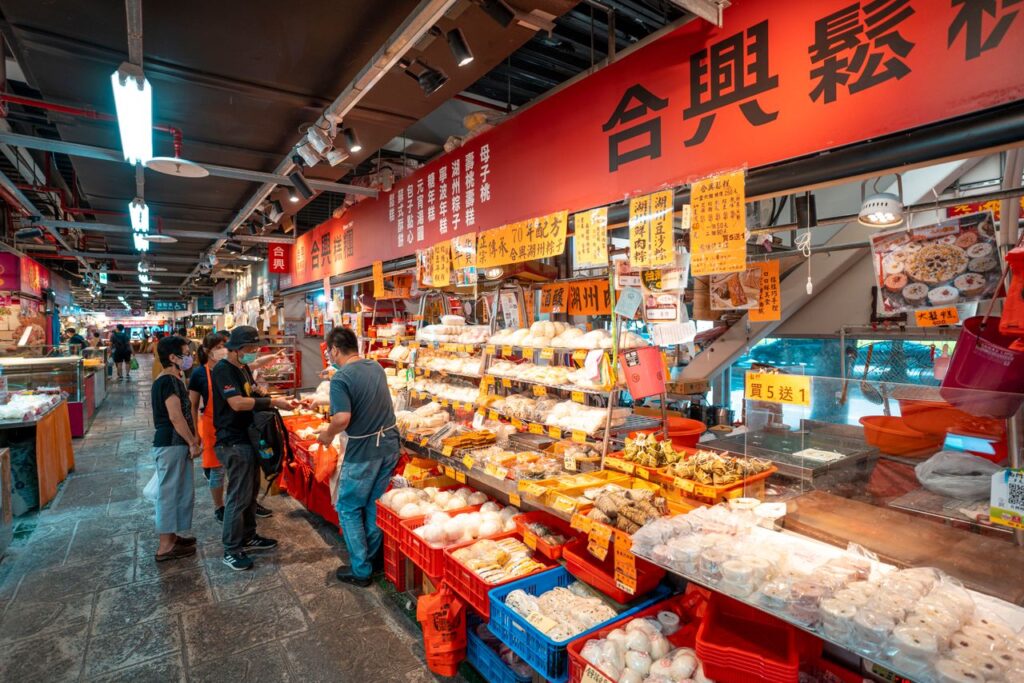
A Nishiki Market food walk with a guide who can explain what is actually being sold, rather than a self-guided wander past stalls with no context, tends to justify its cost through the amount you would otherwise walk straight past.
Nishiki Market food walking tour
If the autumn illuminations are part of the plan, a ticketed evening entry at a temple such as To-ji or Kodai-ji is worth booking ahead rather than assuming a walk-up ticket will be available on the night.
Kyoto evening illumination ticketed experience
Practical Tips
Book anything genuinely popular, particularly tea ceremonies and evening illuminations, as early as the trip is confirmed. Autumn availability for well-regarded, small-group experiences tends to disappear well before the season itself begins, leaving only the larger, high-turnover options by the time most travellers start looking.
Read the cancellation policy before booking rather than after. A flexible policy matters more in autumn than in most seasons, since foliage timing shifts from year to year and a fixed date booked months ahead may not align neatly with when the colour actually peaks.
If a listing does not state its group size, ask before booking. This single detail tends to predict the experience more reliably than the star rating or the number of reviews.
Away from bookable experiences, remember that Gion’s private residential streets are not part of the sightseeing circuit, whatever a listing photo or a passing crowd might suggest. Staying on the main public streets, Hanamikoji and Shirakawa-dori among them, avoids both the fine attached to the private alleys and the more basic discomfort of treating someone’s daily walk to work as a photo opportunity.
Related Guides
Kyoto in Autumn covers the foliage timing and illumination dates that shape when many of these experiences are worth booking, and
Where to Stay in Kyoto for an Autumn Trip helps decide which part of the city makes the most sense as a base for reaching them.
This post contains affiliate links. If you book through these links, Rianway Travel earns a small commission at no extra cost to you. We only recommend experiences and partners we genuinely believe in.
Please Follow us on Facebook, and Pinterest for more amazing insights and tips.