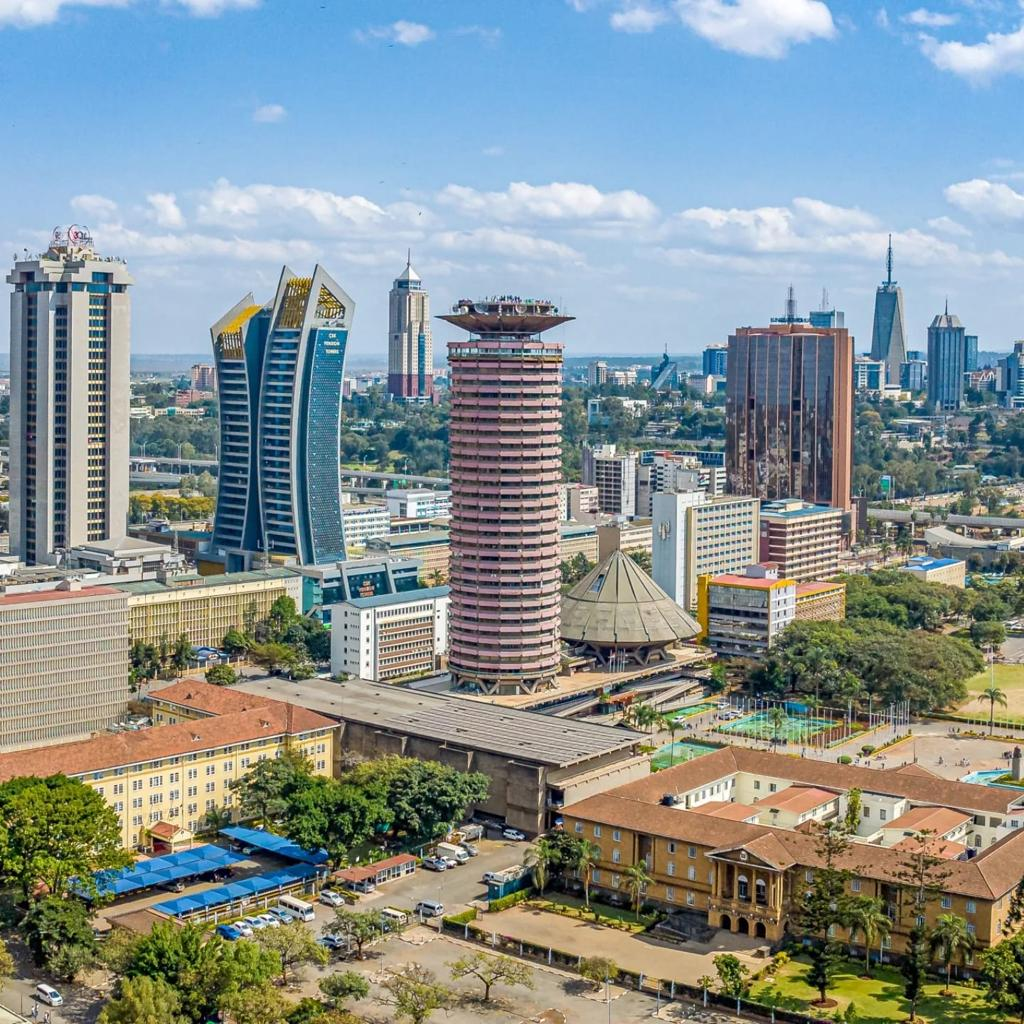
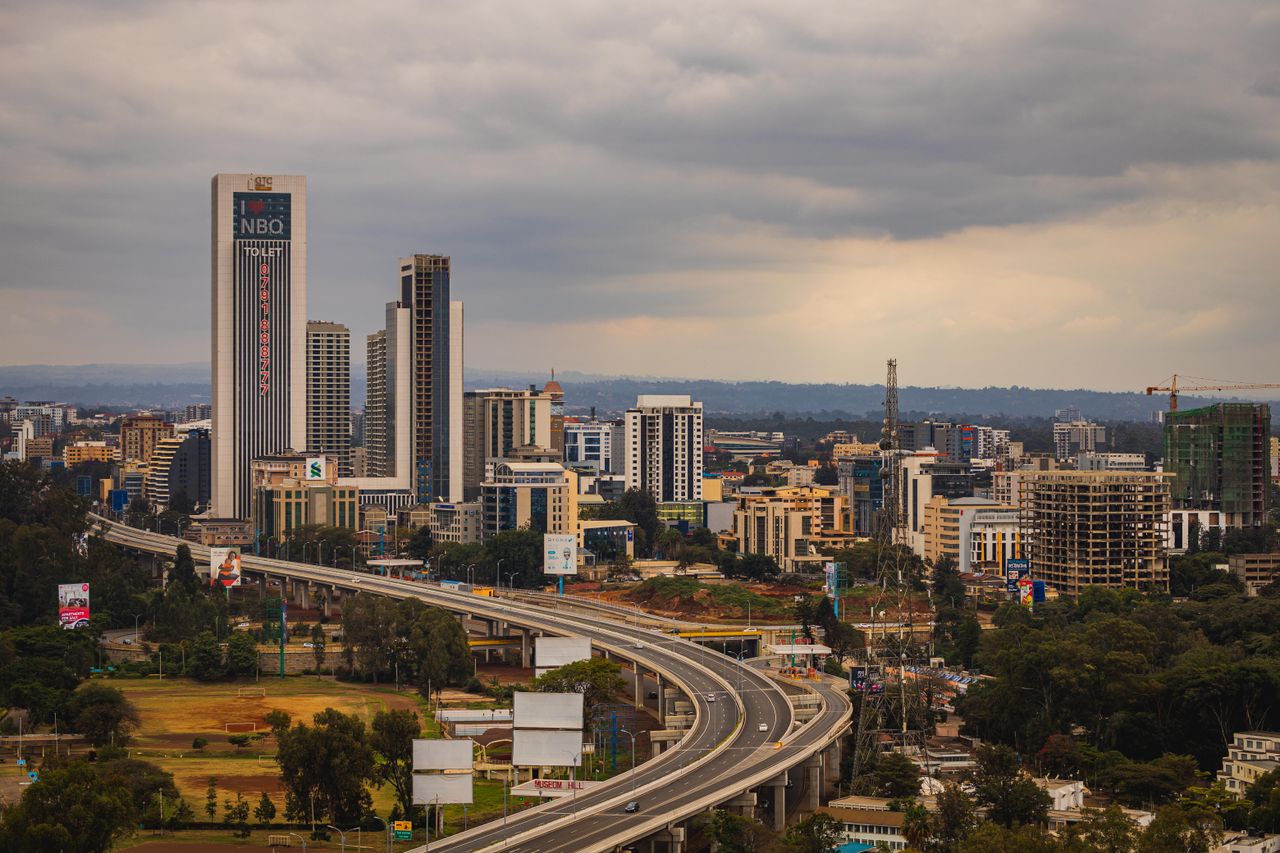
Most itineraries move through Nairobi rather than to it. A night near the airport, a transfer the next morning, and the city itself reduced to a logistical problem standing between a long-haul flight and the Maasai Mara. That habit is understandable. Kenya’s great wildlife destinations are powerful enough to shape an entire itinerary. But it also means many visitors leave the country having seen almost nothing of the capital.
That is a loss, because Nairobi has a story that begins long before the safari circuit and continues well beyond it.
The city’s name is commonly traced to the Maasai phrase Enkare Nairobi, associated with cool water and the stream that once ran through this landscape. Nairobi’s modern history began in 1899 when the Uganda Railway established a depot here. The settlement grew around the railway and, by 1907, had become the capital of British East Africa. It was not conceived as the vast modern capital that exists today. It grew because movement, trade, administration and people gathered around a railway line, and the city kept expanding long after the original purpose had been outgrown.
That history matters when you arrive. Nairobi makes more sense when you stop looking at it simply as the place where a Kenyan safari begins.
A City Where Wildlife Never Completely Left
The most obvious challenge to the idea of Nairobi as merely a gateway is sitting in plain sight.
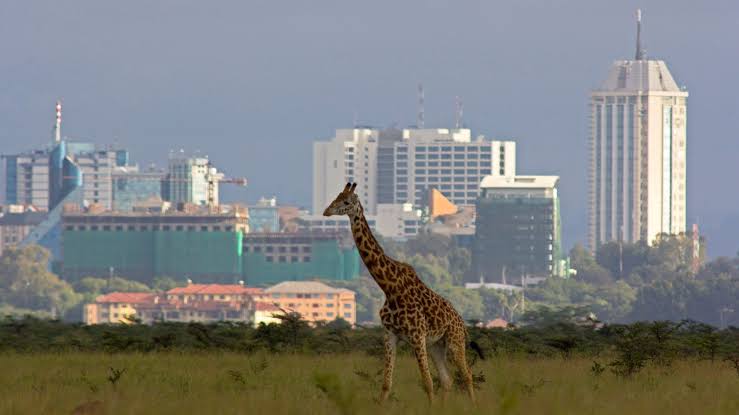
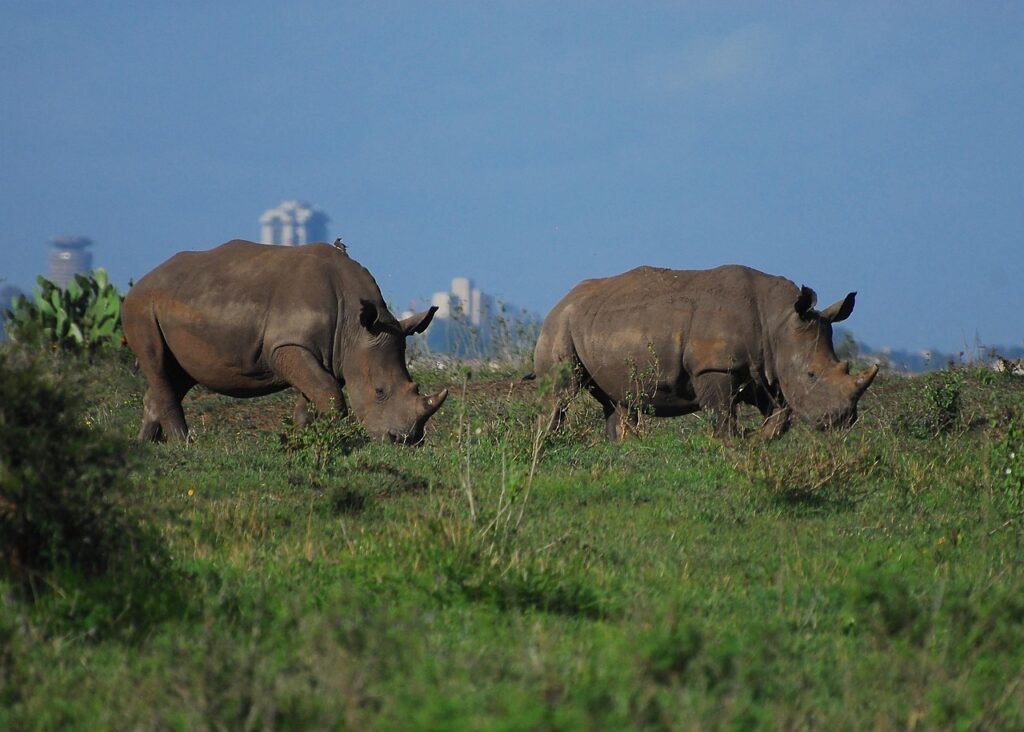
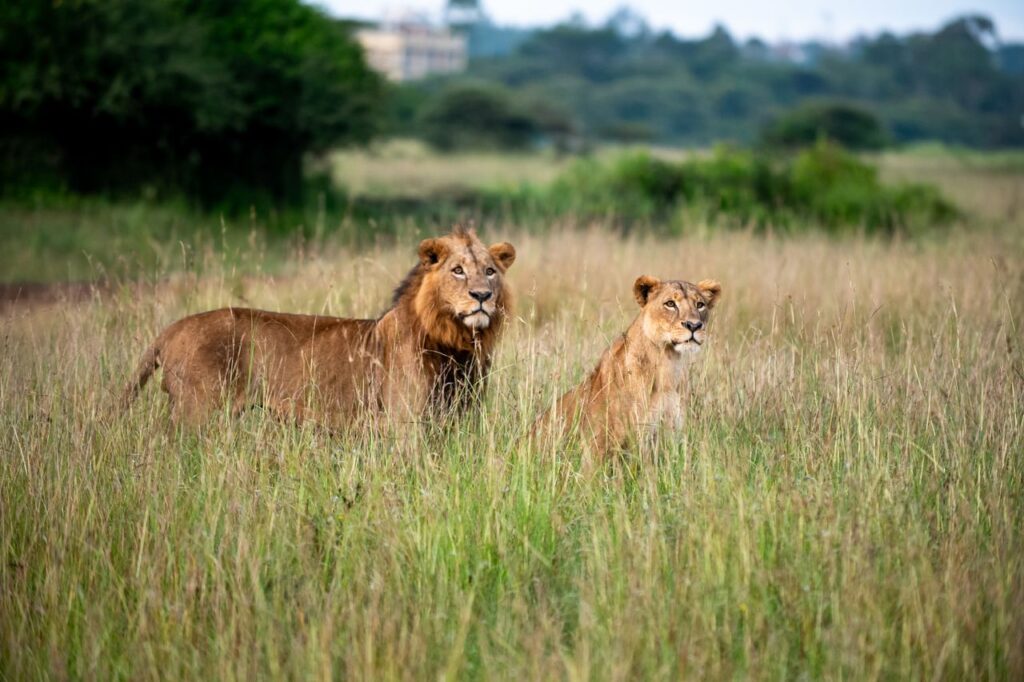
Nairobi National Park lies on the southern edge of the city, close enough to the central business district for the skyline to appear beyond its grasslands. Kenya Wildlife Service describes it as Kenya’s first national park, gazetted in 1946, and the park remains an important habitat for black rhinos and a wide range of other wildlife. Its 117 square kilometres contain lions, giraffes, buffalo, zebra, antelope and more than 400 recorded bird species.
The strange beauty of the place is not simply that you can see wildlife so close to a major city. It is the contrast. A giraffe can stand in open grassland with Nairobi’s buildings visible beyond it. The effect is not a staged attraction created to make a photograph more interesting. The park predates much of the modern city around it.
That proximity has also made the park part of a much larger conversation about what Nairobi should become.
In June 2025, a public proposal from COTU secretary general Francis Atwoli called for Nairobi National Park land to be used for urban and infrastructure development, with wildlife moved to the Maasai Mara. Conservationists and tourism stakeholders publicly opposed the idea, arguing that the park provides biodiversity, habitat and tourism value that cannot simply be replaced by relocating animals elsewhere. The park remains in operation, and Kenya Wildlife Service continues to manage it as a national park and rhino sanctuary.
That debate adds another layer to what a visit means. Nairobi National Park is not a decorative green space that survived because nobody noticed it. It is a functioning protected area inside a rapidly expanding city, and its future sits within the much larger question of how Nairobi balances development with the landscapes that make the city distinctive in the first place.
For a traveller, that makes the park worth experiencing on its own terms. It is not simply the convenient safari you do because you have a spare morning.
Nairobi Is More Than the Safari City
The wildlife is what makes Nairobi unusual. It is not what makes Nairobi complete.
The city is also one of the United Nations’ major international centres. The United Nations Office at Nairobi is the organisation’s headquarters in Africa and hosts UNEP and UN-Habitat. The UN describes the Nairobi complex as its only headquarters in the Global South and the largest UN compound in the world.
That changes the character of the city in ways a short airport transfer cannot reveal. Nairobi is not merely a capital serving its own country. It is a place where international environmental policy, urban development and diplomacy are conducted on a global scale.
Then there is the technology sector, which has given Nairobi its familiar “Silicon Savannah” nickname. The label can sometimes make the city sound as though its significance begins and ends with start-ups, but the underlying technology ecosystem is real. Nairobi has become a centre for innovation, mobile technology, fintech and newer areas such as agritech and climate technology, with organisations including GSMA documenting the city’s role in Kenya’s wider innovation ecosystem.
And then there is the creative city.
This is where Nairobi becomes more interesting than a list of famous attractions suggests.
Contemporary East African art has a significant presence in Nairobi, and places such as Circle Art Gallery provide a window into that world. Circle was established in Nairobi in 2012 and now operates from Victoria Square on Riara Road, exhibiting artists from Eastern Africa and maintaining both local and international programmes. Its September–October 2026 programme, for example, includes exhibitions centred on Kenyan and East African artistic practice.
That is a different Nairobi from the one presented in a safari brochure. It is also a more useful one to understand if you want to know what the city actually is rather than simply what visitors are expected to see.
What Nairobi Feels Like When You Slow Down
The answer does not require seeing everything.
A better Nairobi itinerary allows different parts of the city to speak for themselves.
Karen is an obvious place to begin because several experiences sit within the same broad part of the city, although they tell very different stories.
The Karen Blixen Museum occupies the former farmhouse of Danish author Karen Blixen at the foot of the Ngong Hills. The house dates from 1912 and became a museum in 1986. Its gardens, old farm equipment and surrounding landscape offer a tangible connection to a particular chapter of Kenya’s colonial history, while the museum’s nature trail provides another reason to spend time beyond the house itself.
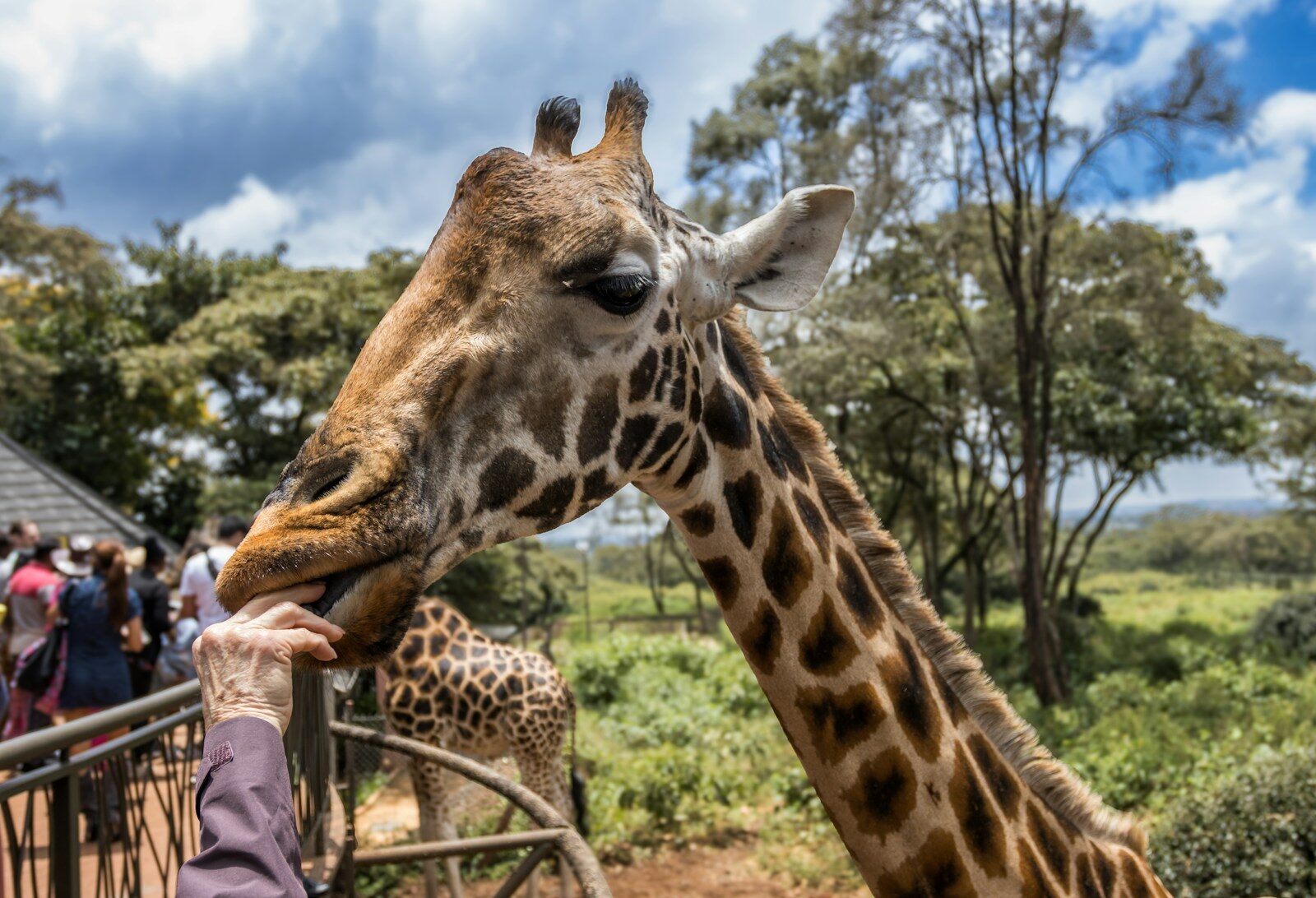
Nearby, the Giraffe Centre offers a completely different encounter with Nairobi’s wildlife. The centre’s visitor experience is focused on the Rothschild’s giraffe and conservation education rather than a conventional game drive. It is worth distinguishing this from Nairobi National Park: one is a conservation and visitor centre within an urban neighbourhood, while the other is a large protected ecosystem where wildlife lives in the wild.
Kazuri adds yet another dimension.
Founded in Nairobi in 1975, the workshop began with the aim of creating employment opportunities for women and has grown into a long-established Kenyan craft business. Today visitors can arrange workshop tours, meet artisans and see the process behind the handmade ceramic jewellery. Kazuri also offers a bead-making experience for travellers who want to spend more time engaging with the craft rather than simply buying a finished piece.
That distinction matters.
A meaningful visit is not necessarily about finding the most photogenic attraction. Sometimes it is about understanding how something is made, who makes it, why it exists and what role it plays in the place you are visiting.
The same principle applies to Nairobi’s markets. The Maasai Market changes location, so it is better treated as a current market experience rather than a fixed attraction. Its appeal lies in the opportunity to encounter Kenyan craft and purchase directly from sellers, but the location and operating arrangements should be checked before visiting rather than assumed from an old itinerary.
Give Nairobi More Than a Night
None of this requires abandoning the safari.
It requires giving Nairobi enough time to become something other than the place you sleep before an early flight.
If you have only one full day, it can still work. Start early with Nairobi National Park, then continue to the Sheldrick Wildlife Trust’s Nairobi Nursery, where pre-booked visitors can see the orphaned elephants during the daily 11am–12pm visiting session. From there, the afternoon can move towards Karen, where a museum, giraffe conservation experience or craft workshop gives the day a completely different rhythm.
If you have two days, resist the temptation to fill both with attractions.
Use one for the city’s wildlife and Karen area. Give the second to Nairobi itself: contemporary art, food, coffee, markets or the city’s neighbourhoods and cultural spaces. That is when the city begins to feel less like a collection of things to see and more like somewhere people actually live.
The practical side matters too.
Nairobi is a large, busy city, and traffic can make an apparently short journey take considerably longer than expected. Grouping experiences geographically is therefore more useful than trying to collect attractions from opposite sides of the city in a single day.
For an arrival day, a pre-arranged airport transfer can also remove one unnecessary decision after a long international journey.
For accommodation, choose the area according to what you want the Nairobi portion of the trip to feel like rather than simply choosing the cheapest room close to the airport.
Nairobi hotels and accommodation
And if time is limited, a private or small-group day combining the national park with selected Nairobi and Karen experiences can make the logistics considerably easier, particularly when the itinerary includes the Sheldrick Wildlife Trust’s fixed visiting window.
Nairobi private city/Karen experience
Some links in this article may be affiliate partnerships, which means Rianway Travel may earn a small commission at no additional cost to you. These partnerships help support the ongoing research and editorial work behind the guide.
The Nairobi Worth Stopping For
Nairobi does not need to compete with the Maasai Mara.
That is the wrong comparison.
The Maasai Mara gives you something Nairobi cannot: vast open landscapes, wildlife in a different ecological setting and the particular experience of being deep inside one of Kenya’s most famous safari destinations.
Nairobi offers something else. It lets you see what happens when wildlife, history, international institutions, contemporary creativity, business and millions of ordinary daily lives occupy the same city.
That is why it deserves more than the gap between your arrival and your safari departure.
Stay long enough to notice the contrast. Take the early drive into the park. Sit down for coffee afterwards. Spend an hour looking at contemporary Kenyan art. Walk through a workshop where something is still being made by hand. Leave room for traffic, conversation, an unexpected turn, or simply a slower afternoon.
The point is not to squeeze more activities into your Kenya itinerary.
It is to arrive in Nairobi as a destination rather than a connection.
Related Guides
How to Experience Nairobi in 24 Hours: A Better Way to Use a Layover
For travellers who have limited time and want to turn a Nairobi connection into a meaningful part of the trip.
Nairobi Experiences Worth Booking
A closer look at the experiences that are worth building into a proper Nairobi stay.
Nairobi Airport to the City: Your Least-Stressful Arrival Options
A practical guide to getting from the airport into Nairobi with less uncertainty after a long journey.
Disclosure: Some links in this guide are affiliate partnerships. Rianway Travel may earn a small commission if you make a booking, at no extra cost to you. This directly supports our independent research and travel guides.
Please Follow us on Facebook, and Pinterest for more amazing insights and tips.