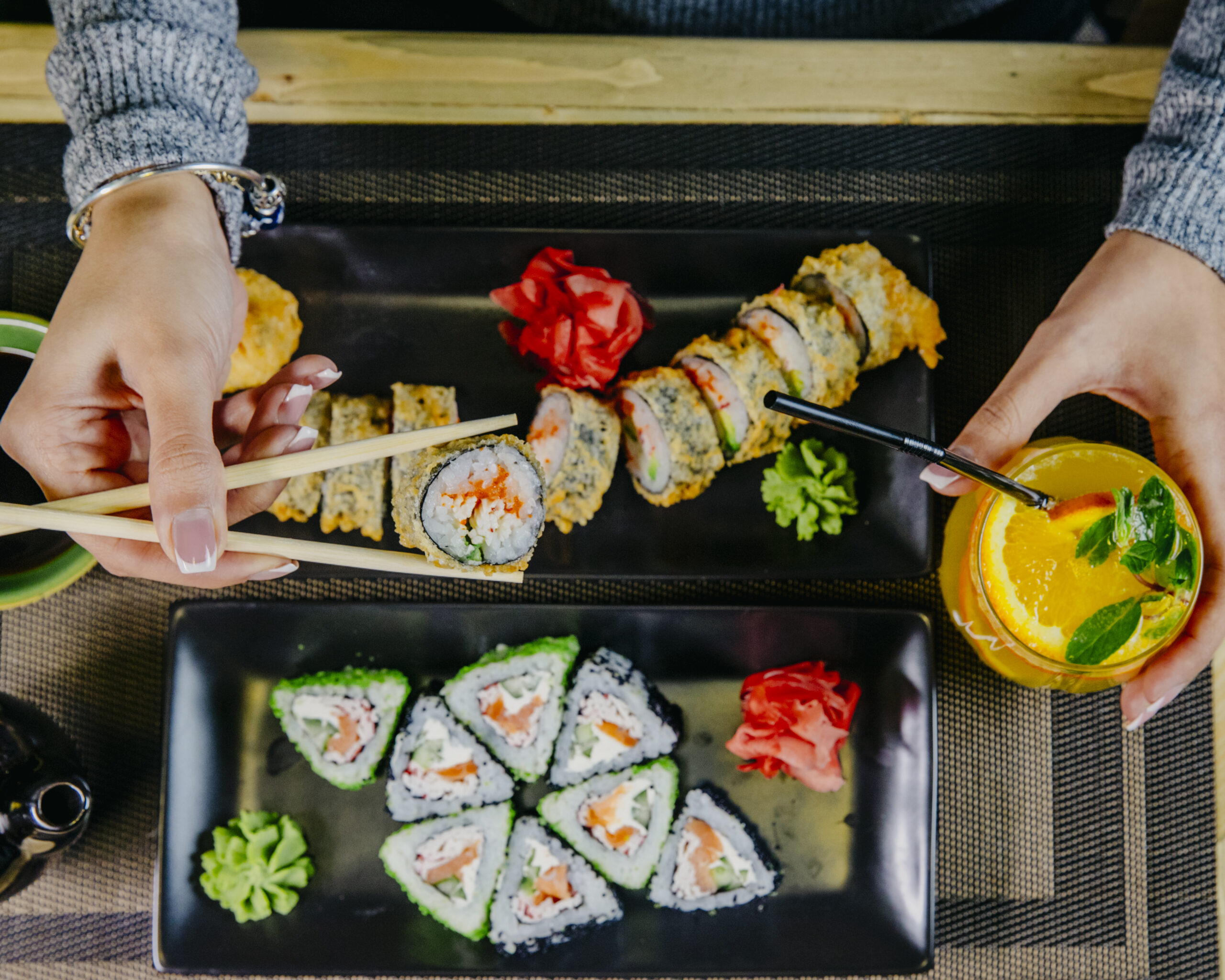
Tokyo moves at a pace that can feel relentless. But its food culture runs on an entirely different clock, unhurried, precise, and deeply intentional. This guide is for the traveller who understands that the best way to know a city is to eat it slowly.
There is a particular kind of quiet that settles over a Tokyo ramen counter at seven in the morning. The chef has been at work since before the city woke up. The broth has been simmering since the night before. The two or three people already seated are not talking; they are attending, in the way that Japanese food culture teaches you to attend, to something that has been made with extraordinary care and deserves to be received the same way.
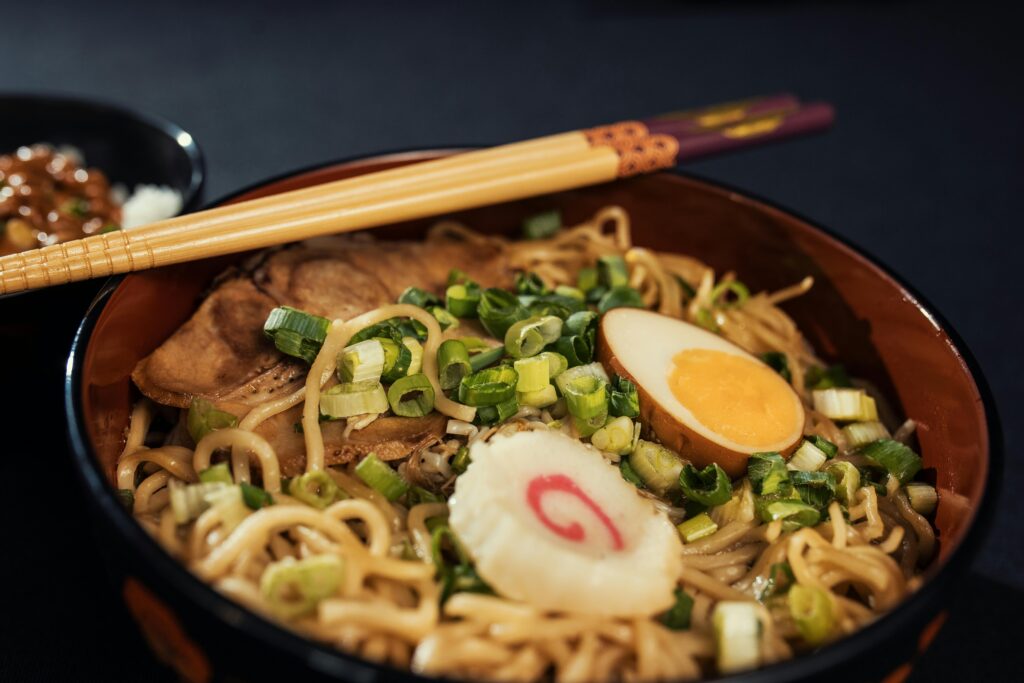
This is the paradox at the heart of eating in Tokyo. The city is one of the fastest on earth; its trains run to the second, its convenience stores never close, and its energy is relentless from the moment you step off the Narita Express. And yet its food culture is built on slowness. On the patient repetition of a single dish until it is perfect. On the belief that a bowl of noodles, made properly, is as worthy of devotion as anything in a Michelin-starred dining room.
Tokyo has more Michelin stars than any other city in the world. It also has street stalls that have been serving the same tamagoyaki for forty years. Both facts are equally true, and both deserve your attention. This guide will help you navigate between them, not as a tourist collecting restaurants, but as a traveller who understands that eating slowly is one of the most intentional things you can do in a city.
Why This Matters
Most visitors to Tokyo arrive with a list. They want to eat sushi at Tsukiji, ramen in Shinjuku, wagyu somewhere expensive, matcha desserts for the photograph. There is nothing wrong with any of this. But there is a different way to approach Tokyo’s food culture, one that begins with the concept of shokunin.
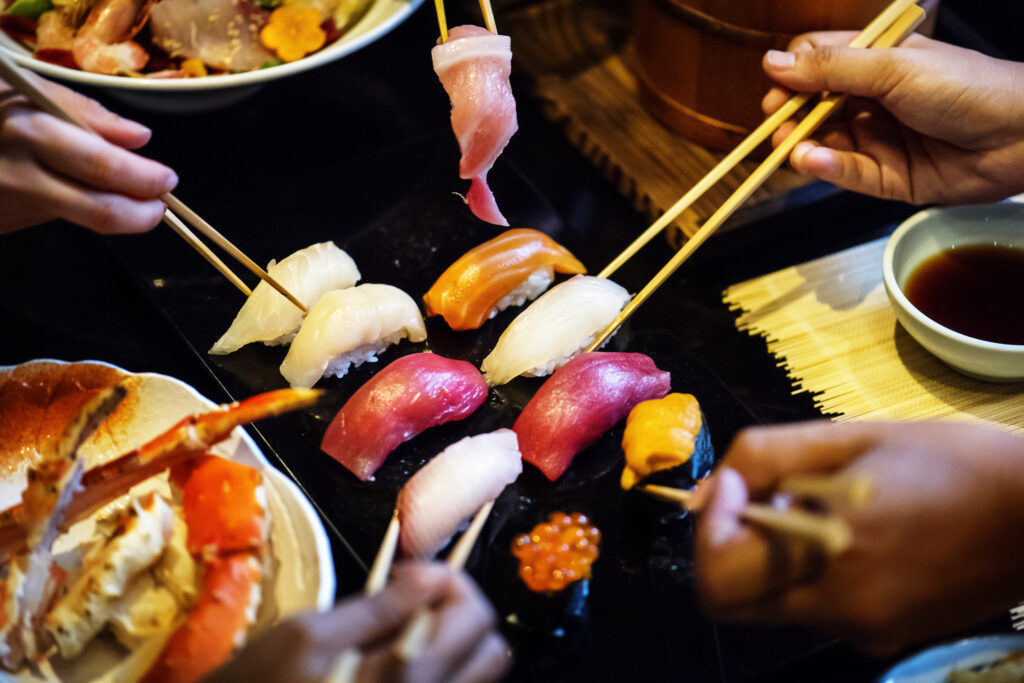
Shokunin is often translated as ‘craftsman’ or ‘artisan’, but the word carries something deeper than skill. It describes a person who has dedicated their life to the mastery of a single discipline, the ramen chef who has made nothing but broth for thirty years, the soba master who hand-pulls noodles at the same counter his father built, the tempura cook who has spent a decade learning how batter behaves at different temperatures. Shokunin is not ambition. It is devotion.
When you eat in Tokyo with this in mind, the entire experience shifts. The standing sushi counter is not a cheap option; it is an act of intimacy, you and the chef, nothing between you and the fish but a single piece of nori and the chef’s thirty years of practice. The ramen shop with eight seats and a two-hour queue is not an inconvenience; it is evidence that someone cared enough to make something worth waiting for.
Travelling Tokyo through taste, at the pace that its food culture actually operates, is one of the most quietly transformative things you can do in this city. It slows you down in exactly the right way.
How to Eat Slowly in Tokyo
The temptation is to plan every meal before you arrive. Resist this, at least partially. Tokyo rewards the traveller who leaves space for what they find, the handwritten menu in a basement izakaya, the queue that turns out to be worth it, the kissaten that nobody has written about yet but that serves the best coffee you have ever had. Build an anchor or two per day and leave the rest open.
Start at the depachika
The basement food halls of Tokyo’s department stores, depachika, are among the greatest food environments on earth, and almost no travel guide gives them the attention they deserve. Every major department store has one: Isetan in Shinjuku, Mitsukoshi in Ginza, Takashimaya in Nihonbashi. Arrive late morning, when the counters are fully stocked, and the lunch crowds have not yet arrived. Walk the entire floor before you buy anything. Then go back to what called you.
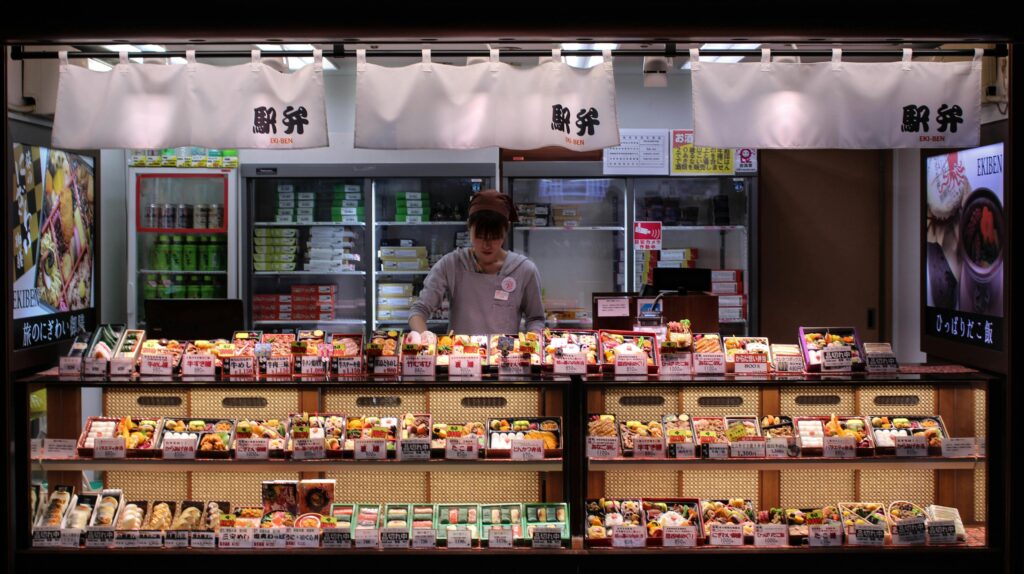
The depachika is where you will find wagashi (traditional Japanese sweets made with extraordinary precision), perfectly lacquered bento boxes assembled like still-life paintings, seasonal pickles, regional specialities from every prefecture in Japan, and prepared dishes that put most restaurant meals to shame. It is also where you will understand, viscerally, what shokunin means in practice.
Sit at the counter whenever possible
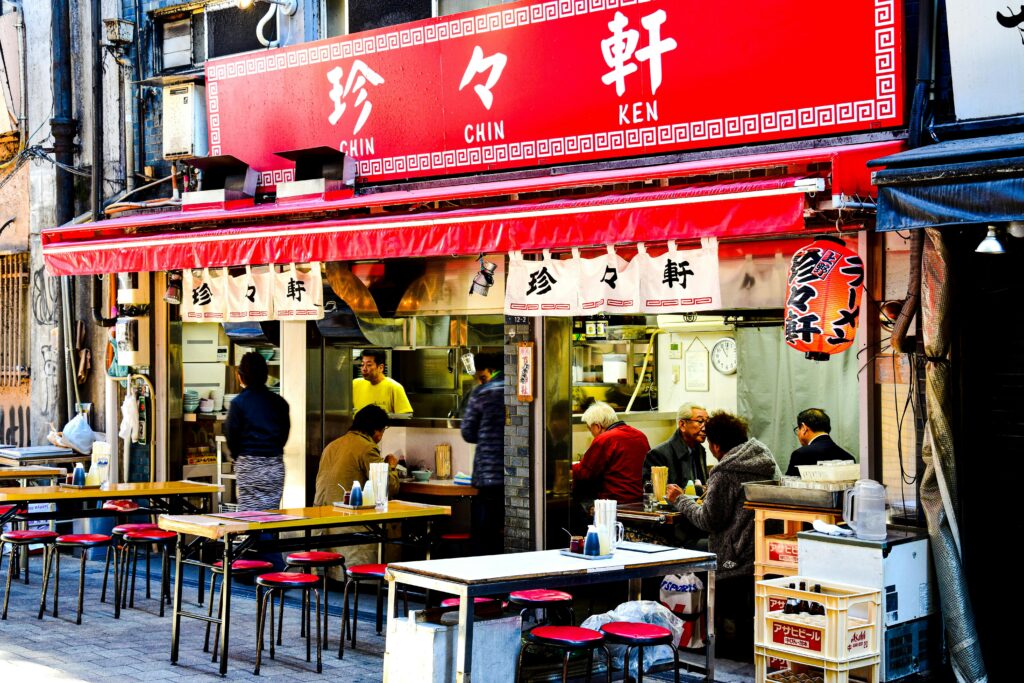
Tokyo’s counterculture, ramen bars, sushi restaurants, tempura shops, and yakitori-ya are among its defining pleasures, and they are largely invisible to the traveller who only books tables. A counter seat puts you directly in front of the chef’s work. You watch the broth being ladled, the fish being sliced, the batter hitting the oil. You eat at the pace the kitchen sets, which is almost always exactly right.
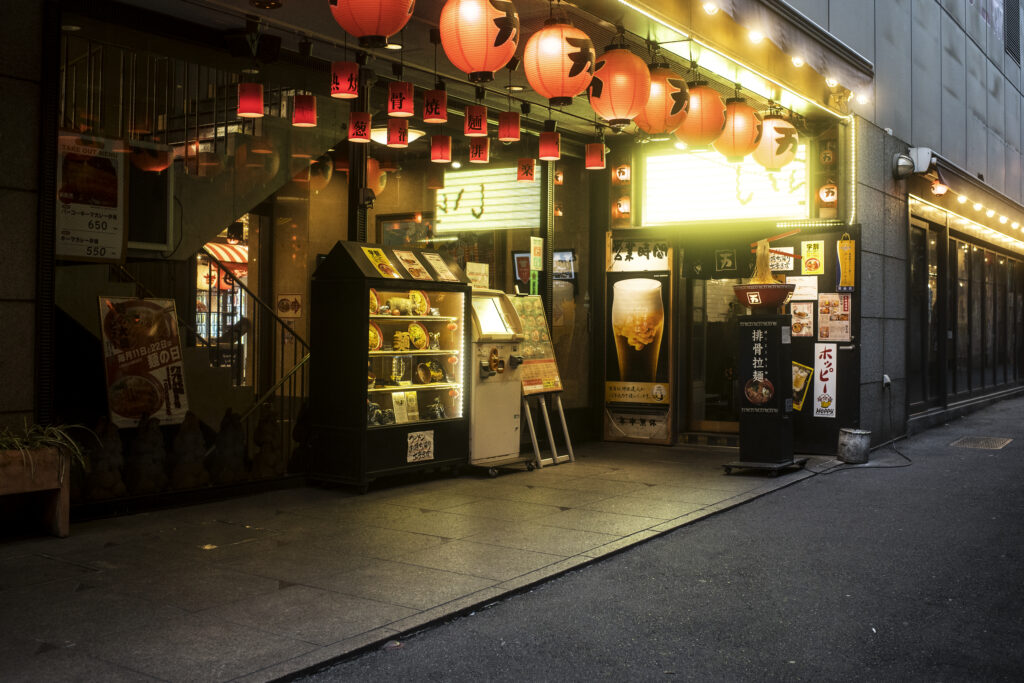
Ordering is simpler than it looks. Many counter restaurants have plastic display models or picture menus. Point if you need to. The chef will tell you, in ways that need no translation, when your dish is ready and how to eat it.
Find a kissaten and stay awhile
The kissaten, Tokyo’s old-style coffee houses, many of them unchanged since the 1960s or 1970s, are the city’s best-kept secret for the intentional traveller. Dark wood, jazz on a turntable, coffee made with an attention to process that borders on ceremony, and no expectation that you will leave quickly. The kissaten is not a café, it is a room where time slows down in a city that otherwise refuses to let it.
Look for kissaten in Koenji, Shimokitazawa, and the quieter backstreets of Ginza. They rarely have English signage. They are almost always worth walking into.
Let the izakaya be your evening
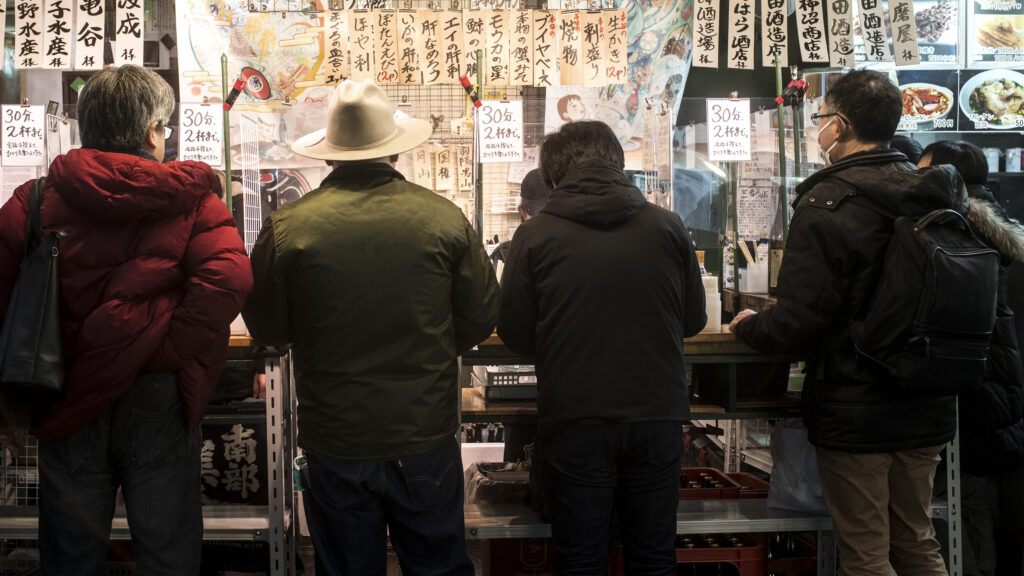
The izakaya, Japan’s version of a pub, but with food that would be the centrepiece of any other country’s restaurant, is the right way to spend an evening in Tokyo. Order slowly, a few small dishes at a time. Drink at the pace of the conversation around you. Stay until the last train rather than rushing to the next destination. The izakaya is where you meet Tokyo as it actually is when it is not performing for tourists, generous, unhurried, and quietly joyful.
Where to Stay in Tokyo (Best Neighbourhoods for Food Lovers)
Where you sleep shapes what you eat, and in Tokyo, the difference between neighbourhoods is the difference between different cities. Choose your base with your stomach in mind.
Shinjuku puts you near the greatest concentration of ramen shops, izakayas, and late-night street food in the city, but it is loud and rarely quiet. Yanaka, in the northeast, is old Tokyo, quiet, neighbourhood-scaled, full of tofu shops and traditional sweet makers and the kind of morning walk that makes you feel you have arrived somewhere real. Shibuya and Harajuku suit the traveller who wants the full range of Tokyo’s food culture within walking distance, from conveyor belt sushi to avant-garde patisseries to the best taiyaki in the city. Ginza is for the evening meal you planned for months.
Browse stays across all of Tokyo’s neighbourhoods below. The search tool covers guesthouses, boutique hotels, and traditional ryokan, where breakfast is as much an experience as anything else you will do that day.
Tokyo Food Experiences to Book Before You Arrive
Tokyo’s food culture rewards independent exploration, but a handful of experiences are better with a guide, particularly when language, queue systems, and deep neighbourhood knowledge are part of what makes the experience work. The five below have been chosen because they offer genuine immersion rather than a performance of it.
Tsukiji Outer Market Food Tour
The inner market moved to Toyosu, but the outer market at Tsukiji remains one of the great food environments in the world, a warren of stalls selling tamagoyaki, fresh uni, grilled scallops, and the kind of tuna sashimi that makes everything you have eaten before it seem approximate. A guided food tour navigates the complexity of the market and puts you at the right stalls, in the right order, at the right hour of the morning. Go before ten, and you will have it largely to yourself.
Book here: Tsukiji Outer Market Food Tour
Ramen or Soba Making Class
Making ramen broth properly takes the better part of a day and thirty years of practice. Making soba noodles, buckwheat flour, water, and a technique that requires the entire upper body, takes a lifetime to master and an hour to fall in love with. A hands-on class gives you both the recipe and the context: why each step matters, what you are tasting for, and why Japanese noodle culture is one of the most sophisticated culinary traditions on earth.
Book here: Ramen or Soba Making Class Tokyo
Tokyo Street Food Night Tour
Tokyo at night belongs to a different city than the one you walked through in the daylight, the izakayas spilling light onto the pavements, the yakitori smoke rising from basement grills, the konbini forecourts where salarymen stop on the way home. A night food tour takes you through the backstreets of Shinjuku or Asakusa with someone who knows which grill, which standing bar, and which bowl of noodles is worth the detour. The kind of evening you would not find alone on your first trip.
Book here: Tokyo Street Food Night Tour
Wagyu Beef or Sake Tasting Experience
Japanese wagyu is not a steak, it is a category of experience, one defined by marbling so fine the meat melts rather than chews, and a flavour that lingers long after the meal is over. A guided wagyu or sake tasting puts the product in its proper context: the breed, the region, the feed, the ageing process, and why the obsession is entirely justified. Book this once per trip. It is the kind of meal that becomes a reference point for everything that comes after it.
Book here: Tokyo Wagyu or Sake Tasting Experience
Depachika Guided Food Hall Tour
The basement food halls of Tokyo’s department stores are a world unto themselves, and navigating them well requires knowing what you are looking at. A guided depachika tour walks you through the hierarchy of Japanese food culture from the inside: which regional specialities are worth seeking out, how to read a bento box, what the seasonal counter is selling and why it matters right now. An hour here will change the way you eat for the rest of the trip.
Book here: Tokyo Depachika Food Hall Tour
Private food neighbourhood tour by car
Tokyo’s best food neighbourhoods are spread across a city of thirty-seven million people, and the distance between Yanaka’s tofu shops, Tsukiji’s morning stalls, Shimokitazawa’s kissaten, and Ginza’s depachika is more than any one day of walking can comfortably hold. A private Welcome Pickups food neighbourhood tour by car ties these worlds together, moving you between districts with local knowledge guiding the sequence. It is the experience that connects the dots between everything else in this guide, and makes the city feel smaller, more navigable, and more your own.
Book here: Tokyo Private Food Neighbourhood Tour
Tokyo Safety and Travel Risk Advisory
TRAVEL SAFETY LEVEL: LOW RISK — Japan
Japan is consistently ranked among the safest countries in the world for international travellers. Tokyo in particular is a city where the combination of low crime, excellent infrastructure, and a culture of collective consideration makes independent travel, including solo travel and travel with children, straightforward and deeply comfortable.
Food allergies and dietary requirements: Japan’s food labelling is thorough but predominantly in Japanese. Sesame, shellfish, and fish-based stocks (dashi) appear in dishes where they are not immediately obvious, including soups, sauces, and seemingly vegetarian options. Carry an allergy card in Japanese; these are available to print online and are taken seriously in every restaurant. Vegetarian and vegan travellers will find Tokyo increasingly accommodating, particularly in Shimokitazawa and the younger neighbourhood dining scenes, but dashi remains the invisible challenge in traditional cooking.
Chopsticks and dining etiquette: Standing chopsticks upright in a bowl of rice is associated with funeral rituals and should be avoided. Passing food directly from chopstick to chopstick carries the same association. Beyond these two points, Tokyo’s dining culture is forgiving of foreigners making honest attempts. The effort is noticed and appreciated. Slurping noodles is not only acceptable, but it is also considered a sign that you are enjoying the broth.
Standing bar and queue culture: Many of Tokyo’s best ramen and sushi counters operate with queue systems that are not immediately legible to first-time visitors. Join the queue, wait for your turn, and do not sit until invited to do so. At vending machine ticket restaurants, common in ramen shops, purchase your ticket before the host seats you. Watching what the person in front of you does is always the right approach.
Cash culture: Japan remains significantly cash-dependent, particularly in smaller restaurants, traditional food stalls, and the depachika. Carry yen at all times. 7-Eleven ATMs accept international cards reliably and are available around the clock. IC cards (Suica or Pasmo) loaded with cash work on most transport and in an increasing number of convenience stores.
Travel insurance: Travel insurance is strongly recommended for all travel in Japan. Ensure your policy covers medical treatment. Japanese healthcare is excellent, but costs are high without coverage.
Flight routing for global travellers: Tokyo is served by two main airports: Narita (NRT), the primary international hub, and Haneda (HND), closer to the city centre and increasingly well-connected internationally. From the UK, direct flights operate from London Heathrow with Japan Airlines and British Airways, with journey times of approximately twelve hours. From the US, direct services operate from major West Coast hubs including Los Angeles, San Francisco, and Seattle; East Coast travellers typically connect through Chicago or Dallas. From Australia, direct services operate from Sydney and Melbourne with Qantas and Japan Airlines.
Tokyo Travel Tips for First-Time Food Travellers
Arrive without the scramble
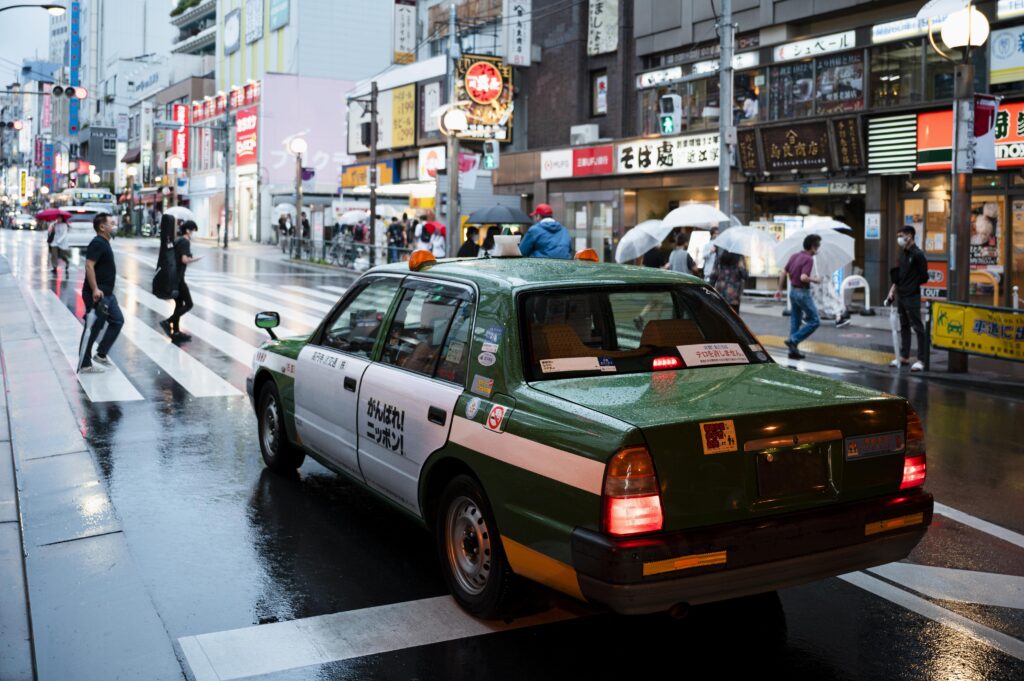
The Narita Express is efficient, and the Limousine Bus is comfortable, but neither of them is the right introduction to a city you have spent months anticipating. A private Welcome Pickups transfer from Narita or Haneda puts you in a clean car with a confirmed driver, no navigation stress, no luggage wrestled onto a crowded train, and no energy spent on logistics before you have even reached your hotel. The first hour of a trip sets the tone for everything that follows. Arriving calmly, with your attention already turned toward the city rather than a transit app, is a small act of intention that pays forward across the entire journey.
Book here: Tokyo Airport Transfer from Narita or Haneda
The best food seasons
Tokyo’s food culture shifts with the seasons in ways that are worth planning around. Spring (March to May) brings sakura-themed sweets and the first of the year’s bamboo shoots. Summer is the season of kakigori (shaved ice) and cold soba. Autumn is perhaps the finest food season, with matsutake mushrooms, sanma (Pacific saury), and the chestnut wagashi that appear for six weeks or longer. Winter brings fugu (puffer fish, served in licensed restaurants), hot pot izakayas, and the quiet warmth of a kissaten on a cold morning. There is no wrong time to eat in Tokyo. But autumn is the right time.
How to order without Japanese
Most of Tokyo’s restaurants, even the most traditional, have developed some accommodation for non-Japanese speakers, whether through picture menus, plastic display models outside the door, or simply a chef who will point at what is fresh today. The ticket vending machine restaurants require no language at all; press the picture, take the ticket, and hand it to the counter. Google Translate’s camera function works well on most menus. And pointing, done with a smile and genuine curiosity, is universally understood and appreciated.
Eating alone is a pleasure, not a problem
Solo dining in Tokyo is not an awkward experience, it is one of the city’s gifts. The counter culture exists precisely for it. No table to fill, no conversation required, nothing between you and the dish. Some of Tokyo’s most extraordinary meals are eaten alone, quickly, standing up, with complete and undivided attention. Lean into it.
The konbini is not a fallback, it is a destination
Japan’s convenience stores, 7-Eleven, Lawson, and FamilyMart, are among the best food retail operations in the world. The onigiri are made fresh multiple times a day and are worth eating at least once per day you are in Japan. The egg salad sandwiches are a cultural institution. The hot food counter, often overlooked, produces karaage and nikuman that would be headline items in most other countries’ restaurants. Do not feel guilty about eating from a konbini. Eat from a konbini every day.
Plan Your Tokyo Food Journey
Tokyo does not give itself up all at once. It reveals itself slowly, one counter seat at a time, one bowl of broth at a time, one depachika basement at a time. The city is inexhaustible; you could spend a month eating nothing but ramen and still not reach the bottom of it.
But that is not the point. The point is to eat a few things with your full attention, to sit somewhere quiet when the city gets loud, to understand that a single meal made with devotion is worth more than ten meals made with efficiency. Browse the stays and experiences above, book what calls to you, and arrive ready to be fed, slowly, deliberately, and very well.
Book Your Tokyo Experiences: Summer 2026 Deals
Klook’s summer deals are live across Japan until 22 June 2026, and several of the experiences worth building a Tokyo trip around are available at significant discounts right now. These are not filler offers. They are the kinds of bookings that fill up fast and reward the traveller who plans ahead rather than the one who arrives hoping for a last-minute ticket.
The Tokyo Skytree is the city’s tallest structure and one of its most quietly extraordinary experiences, the kind of place where the scale of Tokyo becomes genuinely comprehensible for the first time. Until 22 June, tickets are available at 43 per cent off through Klook using the code SUN1SKY at checkout. Book in advance rather than on the day; weekend queues without a pre-booked ticket can run to two hours, and that is not how intentional travellers want to spend a Tokyo afternoon. Book the Tokyo Skytree
For those drawn to the intersection of art and technology that Tokyo does better than anywhere else in the world, teamLab Biovortex Kyoto is available at 11 per cent off with the code SUN1TBKT, worth noting if the itinerary extends beyond Tokyo into Kyoto, where the experience is currently running. Book teamLab Biovortex Kyoto
Getting around Tokyo efficiently is its own art. The Tokyo Subway Ticket, which covers unlimited travel on Tokyo Metro and Toei Subway lines for 24, 48, or 72 hours, is available at up to 11 per cent off and considerably simpler than buying individual fares across a city with 13 subway lines. Book the Tokyo Subway Ticket
For travellers planning to move beyond Tokyo into Kyoto, Osaka, Hiroshima, or further, the JR Whole Japan Rail Pass currently comes with a free 5GB eSIM included, practical for a country where connectivity matters and SIM cards at the airport involve both a queue and a decision. Purchase the pass before you travel or while you are here. Book the JR Whole Japan Rail Pass
All Japan tours through Klook are available at an additional 20 per cent off until 22 June using the code TNAJPJUNE at checkout, applicable to day trips, cultural experiences, and guided tours across every destination in this guide and beyond. Browse Japan Tours on Klook
Related Guides
Continue planning your Japan trip with these Rianway guides:
Osaka Off-Script: The Neighbourhoods That Reward the Unhurried Traveller — Osaka’s food culture runs even deeper than Tokyo’s [coming soon]
Solo in Osaka: What Travelling Alone in Japan Does to the Quieter Parts of You — [coming soon]
First Time in Japan Alone? Everything You Need to Feel Ready — planning and logistics guide [coming soon]
Bangkok with Intention: A Conscious Traveller’s Guide — our Southeast Asia anchor guide
This post contains affiliate links. If you book through these links, Rianway Travel earns a small commission at no extra cost to you. We only recommend experiences and partners we genuinely believe in.
Please Follow us on Facebook, and Pinterest for more amazing insights and tips.