
The best Nairobi experiences are not necessarily the ones that fit the most stops into a day, but those that give you a clearer sense of the city and its people. The safari is booked first, perhaps followed by a few days on the coast, and Nairobi becomes the place to spend a night before the next journey. For many visitors, that means experiencing the city through a hotel window, a transfer and whatever can be fitted into the hours between flights.
It is an understandable way to plan a trip, but it leaves a great deal out.
Nairobi has a national park on its doorstep, museums that trace Kenya’s history and natural heritage, a creative scene that extends well beyond conventional galleries, and places where craft, food and conservation offer a closer connection to the country. Some experiences can be fitted into a morning. Others deserve the better part of a day. Knowing the difference matters, particularly in a city where traffic can turn an ambitious itinerary into a frustrating one.
The question is not how many attractions you can visit. It is which experiences will make your time in Nairobi feel worthwhile.
For some travellers, that will mean seeing wildlife without committing to another full safari. For others, it may be learning more about Kenya’s history, watching artisans at work or discovering the food beyond a hotel restaurant. There is no single itinerary that suits everyone, and that is precisely why it helps to choose with intention.
Start with the wildlife, but choose the right Nairobi experience
Nairobi National Park is one of the capital’s most unusual features. Just beyond the city’s built-up areas, open grassland and riverine habitats provide a home for wildlife against a backdrop that can include the distant skyline. It is a genuine national park, not a wildlife enclosure added to a city tour, and that contrast is a large part of its appeal. The Kenya Wildlife Service describes it as the world’s only wildlife capital.

If you have never experienced a safari in Kenya, or simply want to see what makes this park different, a game drive is worth considering. It gives you time to explore the landscape and look for wildlife rather than moving through a fixed display. Sightings are never guaranteed, however, and the amount of time you need depends on your route, the conditions and how long you want to spend in the park.
A game drive is not the only option.
Nairobi Safari Walk: when a full game drive will not fit
The Nairobi Safari Walk offers a more contained way to encounter Kenyan wildlife. A raised wooden boardwalk passes through wetland, savannah and forest habitats, with opportunities to see animals such as white rhino, giraffe, zebra, buffalo and several other species. The facility also serves a conservation and education role.
Its value is practical as well as educational. If you have only a few hours, are travelling with someone who would prefer not to spend a morning in a vehicle, or want to leave space for other parts of Nairobi, the Safari Walk may be the better fit.
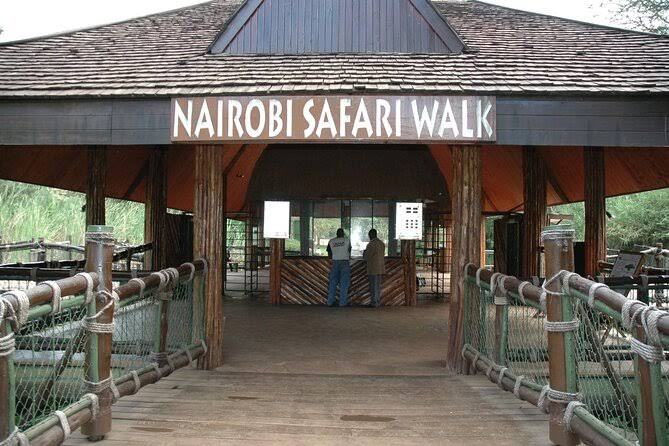
It should not be presented as a miniature version of a full game drive. The experiences are different. A game drive takes you into the park’s wider landscape, while the Safari Walk offers a defined route and a more predictable amount of time on foot. Choose according to what you want from the day, rather than assuming the longest or most expensive option must be the best.
These Nairobi experiences suit different kinds of travellers: a game drive offers a wider wildlife encounter, while the Safari Walk provides a shorter, more contained visit.
Worth considering if: you want a wildlife experience that is easier to fit around museums, meals or other city plans.
Before you go: check current entry arrangements and opening information through the Kenya Wildlife Service. Allow for the journey to and from Lang’ata Road when planning the rest of your day.
Understand more of the country at the Nairobi National Museum
Wildlife may be one of the reasons you come to Kenya, but it is only one part of the country’s story.
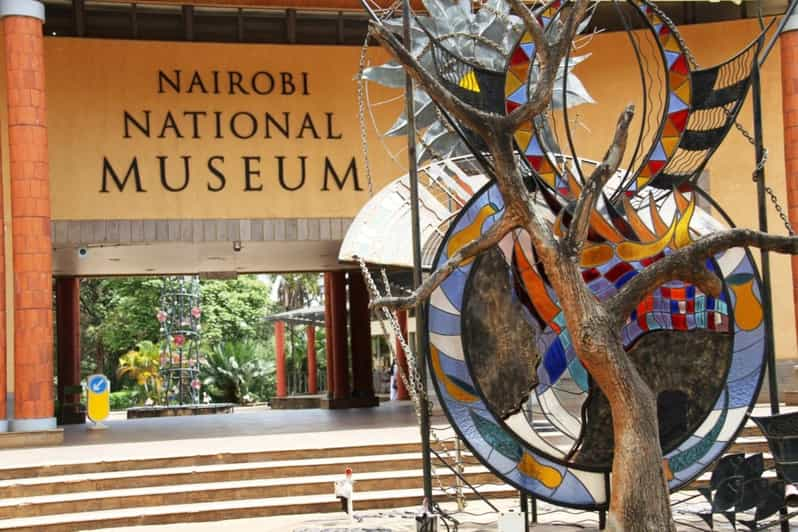
The Nairobi National Museum brings together natural history, human evolution, cultural heritage and the history of Kenya’s communities. Its Human Evolution Gallery explores fossil discoveries and early human origins, while its history and cultural collections provide context for the country’s diverse communities, colonial period and struggle for independence. The museum is open daily, with current visitor information available from the National Museums of Kenya.
For a first visit, this is a useful place to spend time before travelling further around the country. It gives you a broader frame of reference for what you may encounter elsewhere, whether that means landscapes, wildlife, archaeological sites or cultural traditions. The point is not to learn everything in one visit. It is to leave with more context than you arrived with.
Give yourself enough time to explore the galleries without rushing. The museum also has botanical gardens, which offer a quieter pause after the exhibitions. If your Nairobi schedule is already crowded, it is better to choose the sections that interest you most than to treat the visit as another stop to complete.
Worth considering if: you want historical and cultural context, are travelling with curious children, or prefer an experience that can be explored at your own pace.
The small city-centre museum worth knowing about
Near Nyayo House, at the junction of Kenyatta Avenue and Uhuru Highway, stands Nairobi Gallery. The building dates to 1913 and once housed the Native Ministry. Its history includes the colonial administration and the recording of births, marriages and deaths, earning it the old nickname “Hatches, Matches and Dispatches”. Today, it houses the Murumbi African Heritage Collections and temporary art exhibitions.
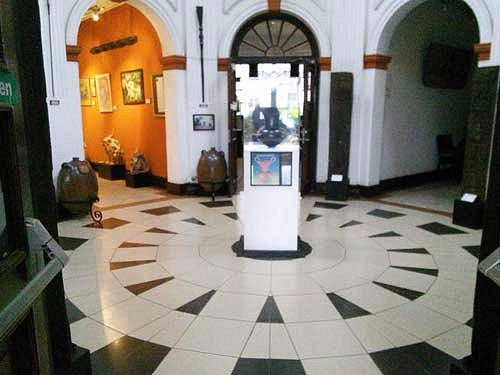
It is a different proposition from the National Museum. Rather than planning half a day around it, you can include Nairobi Gallery in a city-centre visit, giving yourself time to look at the collections and consider the building’s place in Nairobi’s history.
That combination is what makes the gallery useful. You are not travelling across the city for a single attraction; you are adding meaning to time already spent in the centre. It can sit naturally alongside a walk, a meal or a guided exploration of central Nairobi.
Check the current exhibition programme before visiting, since temporary displays can change what is on offer.
Worth considering if: you are interested in art and heritage, have limited time, or want to explore the city centre beyond its familiar landmarks.
Visit Uhuru Gardens for a different view of Kenya’s history
Uhuru Gardens offers a more open-air encounter with national history. The grounds are associated with Kenya’s independence, and the national monument and museum give the site a significance beyond that of an ordinary public garden.

For travellers whose picture of Kenya has been shaped mainly by wildlife documentaries and safari itineraries, this is an opportunity to give the country’s political history and independence story some space. The experience is different from moving through museum galleries. Here, the landscape, monuments and memorial spaces form part of what you are visiting.
It is also a place to approach thoughtfully. The grounds are not simply a backdrop for photographs; their significance comes from the events and national history they commemorate. Take time to read the interpretation available on site rather than treating the visit as a quick stop.
Uhuru Gardens can make sense alongside other experiences in the Lang’ata area, including Nairobi Safari Walk or Nairobi National Park. The combination will depend on how much time you have and whether you want the day to focus on wildlife, history or a little of both.
Worth considering if: For travellers interested in Kenya’s history and identity, these Nairobi experiences offer context that a safari alone cannot provide.
Before setting out, confirm current visitor access and any museum arrangements through the relevant official visitor information.
Kitengela Glass: a creative side of Nairobi Experiences that deserves time
Among the more distinctive Nairobi experiences, Kitengela Glass offers a chance to explore the city’s creative side through glassmaking and recycled materials.
Located south of Nairobi National Park near Ongata Rongai, Kitengela Glass is a working glass-art studio and creative compound. It was established in the early 1990s, and its work includes blown glass, sculptural pieces, architectural glass and mosaics made using recycled material. Visitors can encounter the studio’s creative work through demonstrations and bookable activities, with other features around the compound adding to the visit.
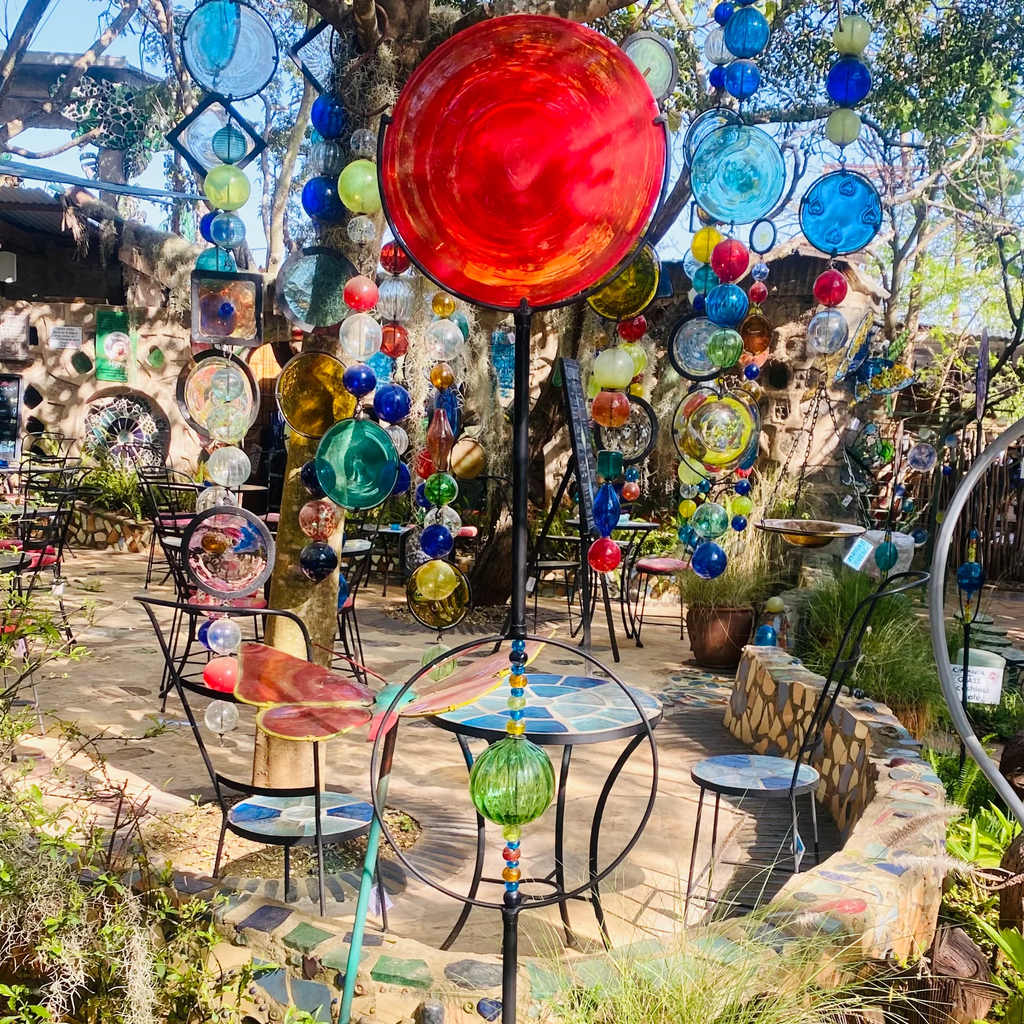
This is not simply a place to buy a souvenir before leaving Kenya. The appeal is in seeing how a material is transformed, learning about the process and exploring a creative space that sits well outside the usual sequence of Nairobi sightseeing stops. Depending on the experience you choose, you may be able to try glassblowing or bead-making, take a mosaic class, or explore the compound and its installations.
It is also one of the experiences that should not be squeezed into a tight schedule. The journey from central Nairobi can take around an hour by road depending on traffic, and the visit itself can easily take longer than expected. Check the studio’s official experiences page for current activities, prices and advance-booking requirements.
If you want to do more than pass through the city, Kitengela Glass offers a different way of experiencing its creative life. It is worth making the journey when you have enough time to enjoy it properly.
Worth considering if: you are interested in design, craft, glass art or experiences that take you beyond the standard sightseeing circuit.
Eat your way into Nairobi’s story
Food can reveal something about a city that a landmark cannot. It brings together ingredients, work, family traditions, everyday routines and the small choices that shape how people eat. Food-focused Nairobi experiences can also help visitors understand the city through its everyday flavours, markets and changing culinary culture.
A guided market visit, cooking class or street-food tour may introduce you to dishes and ingredients you might otherwise pass without recognising. Chapati, ugali, sukuma wiki, samosas, nyama choma, Kenyan tea and coffee all have their place in the wider food landscape, but the point is not to turn the experience into a tasting checklist. It is to understand something about the food, how it is prepared and the people who bring it to the table.
For a traveller who wants a guided introduction, a bookable option to investigate is the Nairobi Half-Day Guided Tour with Street Food & Culture on Klook. The current listing describes a guided city experience that includes street food, downtown Nairobi, City Market, Maasai Market and matatu culture, with transport and multiple departure times listed. Check the itinerary, inclusions and availability for your dates before booking.
This kind of experience can work particularly well for a short stay because it combines food with a wider look at the city. It also gives you a more useful starting point than choosing a restaurant solely because it appears high on a search-results page.
The quality of a gastronomy experience depends on the host as much as the food. Look for a clear description of what you will do, a group size that allows questions and conversation, and enough detail to understand what is included. If the listing makes bold claims about community benefit or supporting local producers, look for a clear explanation rather than relying on the wording alone.
A meal does not have to be elaborate to be meaningful. Sometimes the value lies in having the time to ask what you are eating, where it comes from and why it matters.
Conservation Nairobi experiences: look beyond the photograph
The Sheldrick Wildlife Trust’s Nairobi elephant nursery is one of Nairobi experiences worth considering, particularly for travellers who want to understand the work behind wildlife rescue and rehabilitation.
A visit is not simply an opportunity to see young elephants at close range. The nursery is connected to an ongoing conservation operation, and the organisation’s work includes rescue, veterinary care and rehabilitation. Its public visiting arrangements are structured, so visitors should check the official website for current booking requirements and times before planning around it.
That distinction matters. An experience linked to a working conservation programme is different from an attraction whose main purpose is entertainment. The best way to approach it is to learn what the organisation does, how visits fit into its work and how support contributes to its wider mission.
The same care applies to other wildlife and community Nairobi experiences. Look beyond the photographs and the promise of a special encounter. Consider the organisation’s stated purpose, the way visitors are hosted and whether the experience gives you a credible understanding of the work taking place.
Worth considering if: conservation is an important part of your trip and you want to understand the work behind the wildlife encounter, not only see the animals.
Leave room for Nairobi’s creative life
Not all worthwhile Nairobi experiences comes with a ticket.
The city has a changing contemporary art and design scene, alongside coffee shops, restaurants, markets and neighbourhoods that reveal different aspects of everyday life. Galleries and exhibitions are particularly worth checking close to your visit, since programmes change. Nairobi Gallery is one starting point, but it need not be the only one.
Food and coffee can also be part of this slower exploration. Not just Nairobi experiences but A Kenyan coffee experience, a carefully chosen restaurant or an afternoon spent looking at art can give the day a different rhythm from one built entirely around scheduled attractions.
This is where it helps not to overplan. A city visit can become so focused on getting from one landmark to the next that there is little opportunity to notice what lies between them. Leave a gap for lunch. Allow time to explore a place that catches your attention. Choose one neighbourhood to understand a little better instead of trying to cross the whole city in a single afternoon.
Nairobi is a busy, complicated capital. It does not reveal itself all at once, and it does not need to.
Which Nairobi experiences are worth booking?
The answer depends on the kind of visit you want, and how much time you have.
If wildlife is your priority and you have a suitable block of time, Nairobi National Park offers the full game-drive experience in an unusual urban setting. If your schedule is tighter, Nairobi Safari Walk gives you a more contained wildlife encounter.
If you want context, the Nairobi National Museum is the stronger choice for a broader introduction to Kenya’s natural and cultural history. Nairobi Gallery is more easily fitted into a city-centre day, while Uhuru Gardens offers a different way to engage with the country’s independence story.
If you want something creative and distinctive, give Kitengela Glass enough time to justify the journey. If you want to understand the city through food, consider a guided street-food or market experience rather than treating lunch as a gap between attractions. And if conservation matters to you, choose a visit that helps you understand the organisation’s work as well as providing a wildlife encounter.
There is no need to do all of these. The better itinerary is the one that reflects your interests, not the one with the most bookings.
Plan by area, not just by attraction
Nairobi’s traffic makes geography an essential part of the decision. Two places may look close on a map but still require more time to reach than expected, particularly during busy periods. A good itinerary gives each area enough space rather than sending you back and forth across the city.
A city-centre day could include Nairobi Gallery, a walk around central Nairobi and a guided food or market experience, depending on the tour’s meeting point and itinerary.
A Museum Hill visit can centre on the Nairobi National Museum, with the rest of the day left open for a meal, a gallery or a neighbourhood you want to explore.
A Lang’ata day could focus on Uhuru Gardens and Nairobi Safari Walk, or Nairobi National Park if a game drive is the priority. Check the time required for each activity before attempting to combine them.
Kitengela Glass is best treated as the main event for that part of the day. Plan transport, check the studio’s booking requirements and resist the temptation to add several distant stops around it.
The same principle applies to a short layover. Time spent clearing the airport, travelling into the city and returning for your flight needs to be counted honestly. A good experience is not worth risking a missed connection.
Worthy Nairobi Experiences
There is a version of Nairobi that exists almost entirely in transit: airport, hotel, safari vehicle, airport again. For some trips, that is all the schedule allows. But when you can give the city more time, it offers a much broader encounter with Kenya.
Choosing Nairobi experiences around your interests, available time and preferred pace makes the city easier to appreciate. Rather than trying to see everything, choose a few meaningful encounters and leave room for Nairobi to surprise you.
You can see wildlife against a skyline, learn about the country’s history, spend time with art and craft, visit a place shaped by the independence story, or discover more through the food people prepare and share. None of these experiences needs to compete with the safari. They show you a different part of the country.
That is the reason to plan Nairobi intentionally. Not to fill every hour, and not to collect attractions, but to choose the experiences that help you understand where you are.
Choose a few that fit the time available. Leave room for the city between them. And let Nairobi be more than the place you passed through on the way to somewhere else.
Related Rianway Guides
Nairobi Beyond Safari: Why the City Deserves Your Attention
A broader introduction to Nairobi as a destination in its own right, exploring the city’s character, creative life and the reasons to stay longer than an overnight stop.
How to Experience Nairobi in 24 Hours: A Better Way to Use a Layover
A practical guide to choosing a few worthwhile experiences when time is limited, with attention to airport formalities, transport and the risk of trying to do too much.
Nairobi Airport to the City: Your Least-Stressful Arrival Options
A guide to planning the journey from Jomo Kenyatta International Airport, comparing transfer options and helping you choose an arrival plan that suits your accommodation and onward travel.
Where to Stay in Nairobi for a Short Visit
A neighbourhood-led guide to choosing accommodation around the places you intend to visit, rather than booking a hotel without considering travel time across the city.
Affiliate disclosure: This article may contain affiliate links. If you book through one of these links, Rianway Travel may earn a commission at no additional cost to you. Affiliate relationships do not determine which experiences are recommended; the aim is to help readers choose options that suit their interests, time and travel plans.
Please Follow us on Facebook, and Pinterest for more amazing insights and tips.