Deciding where to stay in Lyon comes down to the kind of mornings you want to have, as the city is compact enough that almost any central hotel puts you within easy reach of the major sights. Paradoxically, that density is what makes choosing a base trickier, as a dozen distinct areas can all legitimately claim to be central while offering wildly different versions of the same trip.
When planning where to stay in Lyon, the question is rarely which district sits physically closest to the middle of the map. It is about what version of the city you want to wake up in. Do you want to step out into cobblestone Renaissance alleys, a brisk commercial grid, a quiet hillside food market, or a waterfront dockland defined by sharp modern architecture?
Why Your Base Matters More Than the Distance
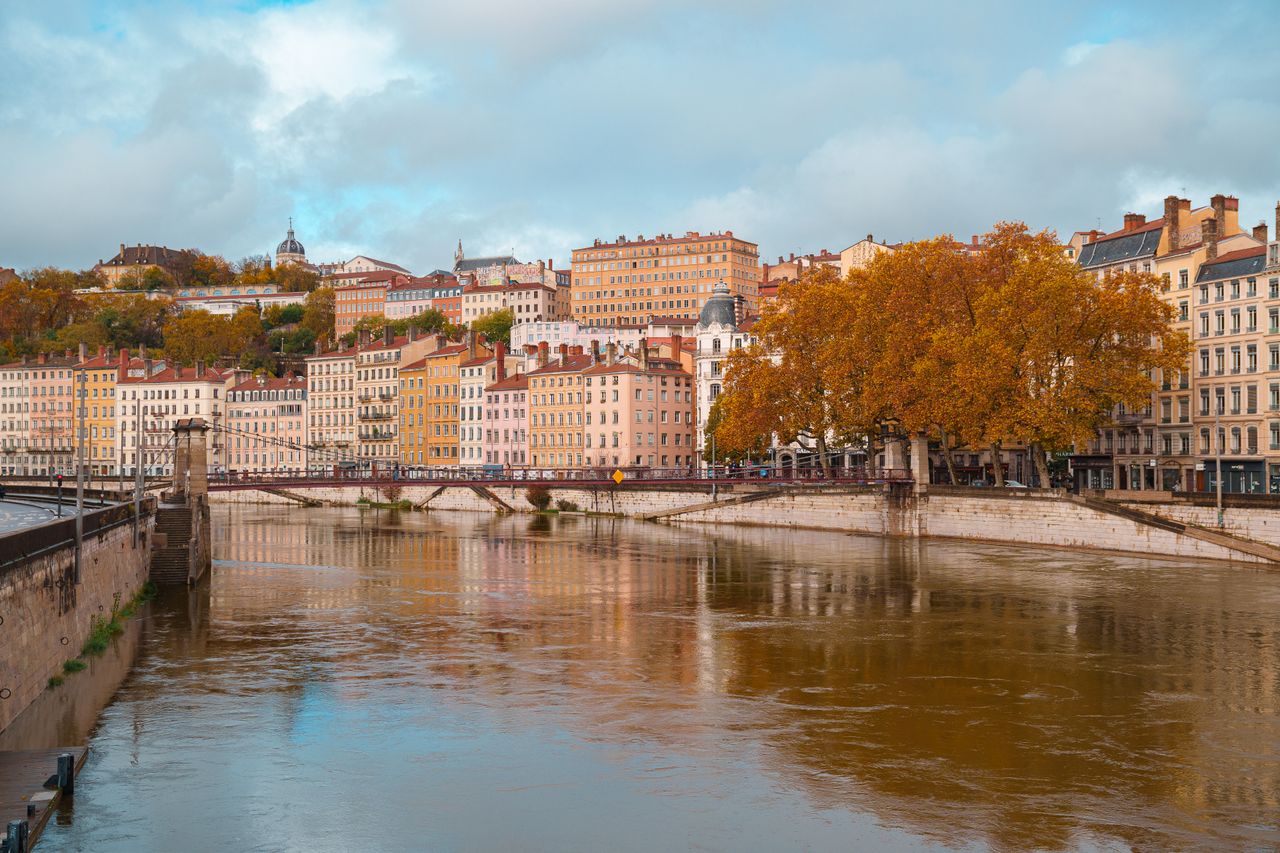
Lyon sits directly where the Rhône and Saône rivers converge, creating distinct urban pockets facing one another across the water. Vieux Lyon and the hill of Fourvière anchor the western bank. The flat Presqu’île peninsula stretches between the two rivers as the commercial heart. Croix-Rousse sits on the northern ridge, and Confluence occupies the redeveloped docklands at the peninsula’s southern point. Four metro lines, two funiculars and an extensive tram network tie it all together, meaning the practical difference between locations is less about travel time and more about the immediate character outside your front door.
That choice carries extra weight this autumn. The Biennale de Lyon, the city’s contemporary art showcase running through December, distributes its venues across the entire city rather than bottling them inside a single museum. Meanwhile, Beaujolais Nouveau Day in November spills out primarily through the historic bistros of the centre. Knowing where to stay in Lyon during these events means matching your base to the specific neighbourhood hubs on your itinerary.
Beyond seasonal events, Lyon simply rewards unhurried travel. A slow morning walk over a bridge or an unscheduled espresso at a quiet corner café often becomes the highlight of the day. Choosing a hotel solely for its proximity to your first tour reservation tends to turn a holiday into an exercise in logistics, whereas choosing a neighbourhood for the character of its streets leaves room for the unexpected moments that truly make a trip.
Where to Stay in Lyon: Neighbourhood Breakdown
Vieux Lyon: Historic Charm with a Dining Caveat
Vieux Lyon is the classic entry point when deciding where to stay in Lyon, and for good reason. Packed with Renaissance facades, narrow cobblestone streets and secret passageways known as traboules, it offers a historic density few European cities can match. The trade-off is one locals freely acknowledge: many restaurants along its main pedestrian thoroughfares target passing foot traffic, leading to overpriced or uninspired food. Staying here works brilliantly if you want to soak in the old-world surroundings at night and walk across the river into the Presqu’île when it comes time for dinner.
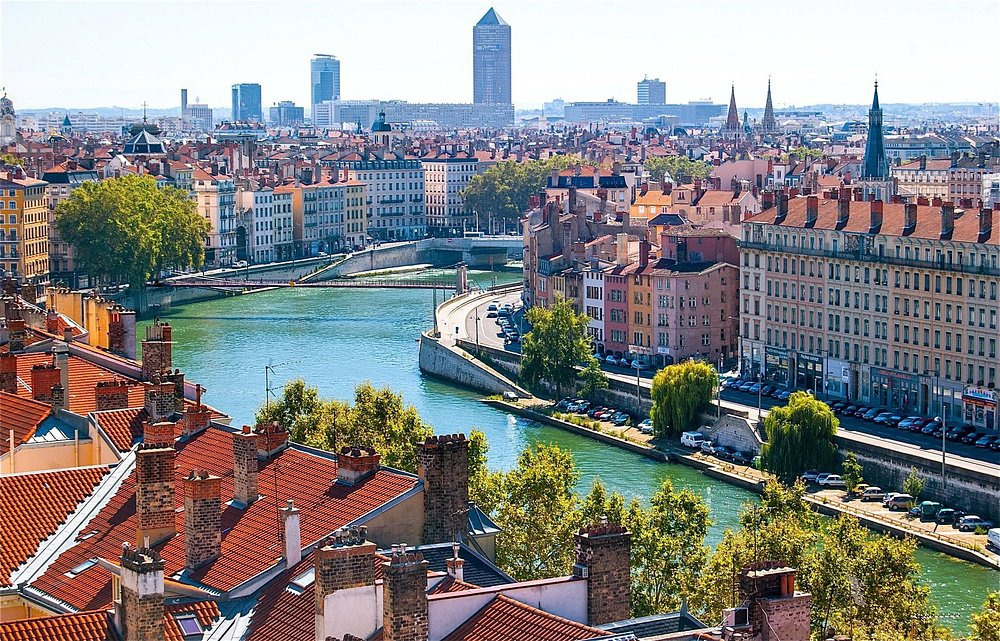
Presqu’île: The Practical, Central All-Rounder on Where to Stay in Lyon
The flat peninsula running through the centre of the city is the most balanced choice for a first visit. It holds the main shopping streets, Place Bellecour and the Musée des Beaux-Arts, placing you directly between Vieux Lyon to the west and Croix-Rousse to the north. While it lacks the sheer historic romance of Vieux Lyon, it makes up for it with convenience, especially if you are navigating the Biennale’s citywide venues alongside standard sightseeing.
Croix-Rousse: Markets, Bouchons and Local Life
Perched on the northern hill, Croix-Rousse is built around food culture and everyday neighbourhood life. Once home to Lyon’s canut silk weavers, it features a lively daily street market, residential quiet in the evenings, and a collection of authentic, neighbourhood bouchons tucked far away from the tourist crowds. The trade-off is physical effort: reaching it involves either a steep climb or reliance on metro and funicular connections, placing you slightly further from the central museums.
Confluence: Contemporary Art, Design and Nightlife
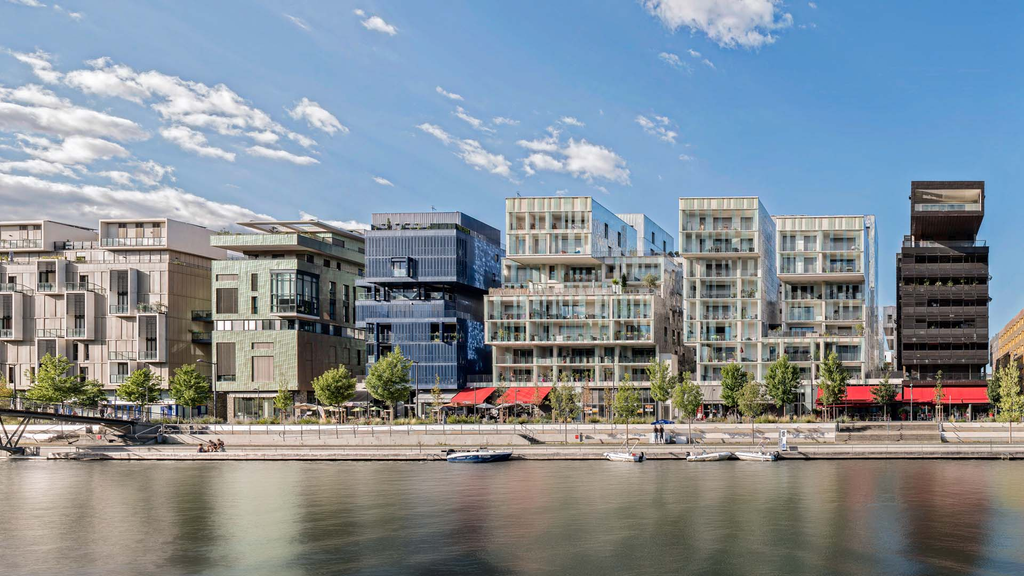
At the southern tip where the rivers meet, Confluence represents Lyon’s modern, architectural edge. The former industrial docklands have been transformed into a hub for glass-and-steel design, anchored by the Musée des Confluences and cultural venues like Le Sucre, a converted sugar factory hosting live music and evening events. It appeals to travellers focused on modern architecture, contemporary culture and easy access to industrial-scale Biennale venues.
Fourvière: Panoramic Views and Evening Calm
Perched high above Vieux Lyon, Fourvière offers sweeping views across the city and direct access to the Basilica. It is by far the quietest area to spend an evening, suited to visitors who prioritise calm over immediate access to nightlife, though you will need to take the funicular down the hill every time you leave your hotel.
Part-Dieu: Pure Transit Convenience
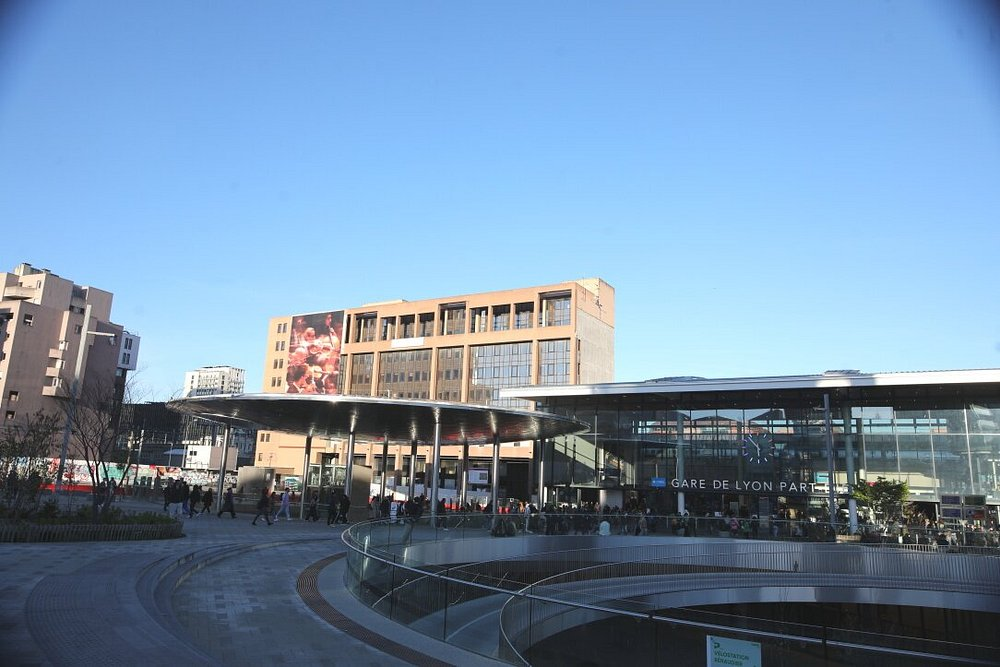
Part-Dieu serves as Lyon’s business district and primary TGV rail hub. While it offers unmatched convenience for quick day trips or early train departures, it lacks historic character and becomes rather sterile once business hours end. It functions well for a short overnight transit, but rarely as a primary base for exploring the city properly.
Guillotière: Diversity, Character and Budget Value
Located on the east bank of the Rhône, Guillotière sits just across the water from the Presqu’île. As Lyon’s most multicultural neighbourhood, it offers a refreshing alternative to standard French bistros, with diverse global street food, casual bars and noticeably lower accommodation rates. It requires trading classical European polish for an energetic, local feel, a trade that suits budget-conscious or return travellers well.
What to Book
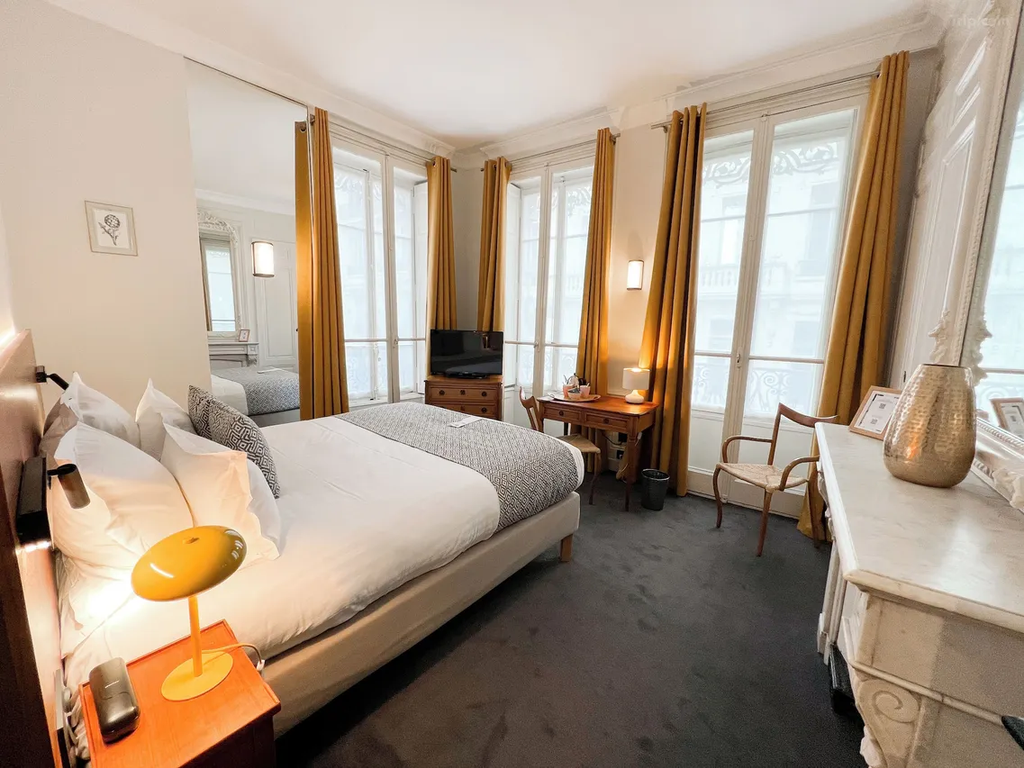
Autumn brings steady demand to Lyon, particularly in mid-November around the Beaujolais festivities, so locking in your accommodation early is well worth doing.
Lyon Hotels & Accommodation Search
Find and compare hotels by neighbourhood across central Lyon.
Guided Walking Tour of Vieux Lyon & Traboules
To get your bearings early, take a guided morning walking tour through the secret passageways of the old town to understand their historical silk-trade connections.
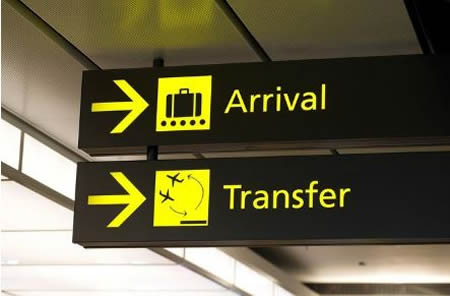
If arriving via Lyon-Saint Exupéry Airport, booking a direct transfer to neighbourhoods like Croix-Rousse or Fourvière eliminates the hassle of navigating multiple transit transfers with heavy luggage.
Practical Tips for Deciding Where to Stay in Lyon
- Check the Hill Access: Always verify the walking distance to the nearest metro or funicular station before booking in Croix-Rousse or Fourvière, as a short distance on a flat map can turn into a taxing uphill trek.
- Map Your Exhibition Route: If the Biennale de Lyon is central to your plans, staying in the Presqu’île or Confluence will save significant transit time compared to bases on the far side of the city.
- Dine Selectively in Vieux Lyon: If staying in the old town, skip the tourist-heavy set menus on the main avenues. Walking just ten minutes across the river into the Presqu’île or up towards Croix-Rousse yields far better dining options.
Related Guides
Why Lyon Belongs on Your Autumn France Itinerary covers the timing and events that shape this particular autumn in Lyon, including the Biennale de Lyon and Beaujolais Nouveau Day referenced above.
Lyon Experiences Worth Booking looks more closely at the tours, scenic drives and day trips that can add depth to an autumn stay.
Do You Need an Airport Transfer in Lyon? works through the arrival question itself, including when a private transfer is useful and when Lyon’s public transport options may be enough.
Disclosure: Some links in this guide are affiliate partnerships. Rianway Travel may earn a small commission if you make a booking, at no extra cost to you. This directly supports our independent research and travel guides.
Please Follow us on Facebook, and Pinterest for more amazing insights and tips.