France’s shortlist writes itself before anyone even opens a map. Paris for the obvious reasons, Bordeaux for wine, Nice for the coast. Lyon rarely makes that first list, and when it does, it tends to arrive as a stopover between somewhere else rather than a reason on its own.
Autumn 2026 is a genuinely good moment to reconsider that. Not because Lyon has suddenly changed, but because this particular autumn brings several things together that do not usually line up in quite the same way.
There is contemporary art arriving across the city, the Beaujolais Nouveau release bringing its annual November ritual, and the Fête des Lumières waiting just beyond the conventional end of autumn in early December. None of these events needs to define an entire trip. Together, they change the texture of Lyon during the season.
And that matters because Lyon is not really competing with Paris, Bordeaux or Nice on the same terms.
It offers something different.
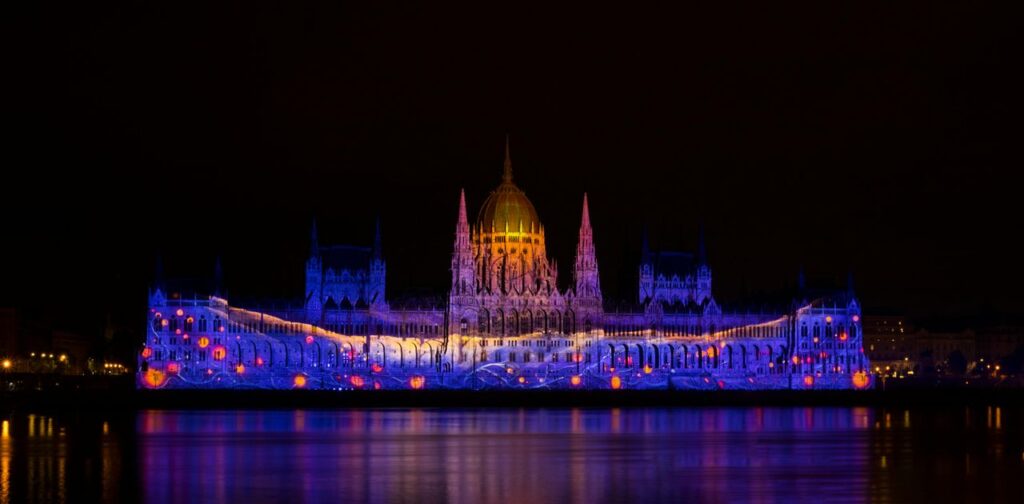
Why Lyon, and Why This Particular Autumn
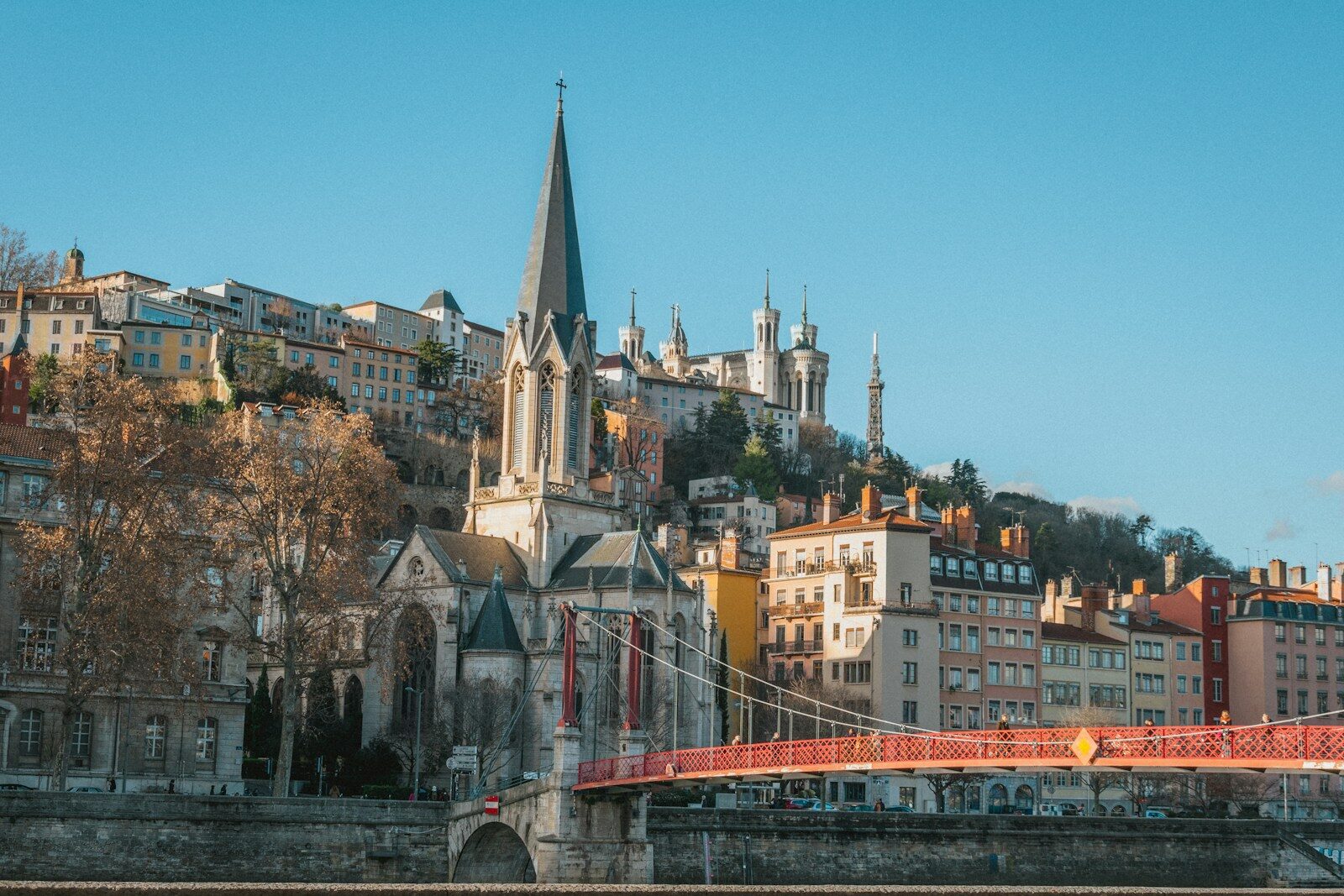
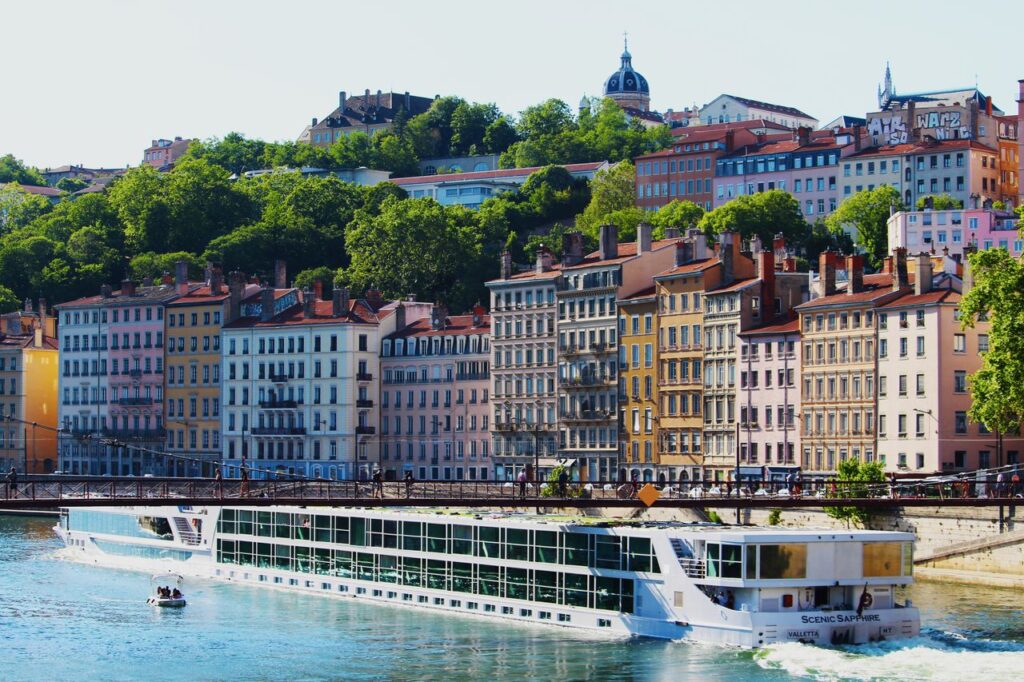
Lyon sits where the Rhône and Saône meet, with the historic city shaped by the two rivers and the hills of Fourvière and Croix-Rousse. Its historic site has been protected as a UNESCO World Heritage property since 1998, recognising more than two thousand years of urban development, from Roman Lugdunum through the medieval streets of Fourvière, the Renaissance buildings of Vieux Lyon and the nineteenth-century silk district of Croix-Rousse.
That history does not sit apart from the modern city. It is part of it.
The Presqu’île remains a working centre of shops, restaurants, theatres and businesses. Vieux Lyon is one of Europe’s major Renaissance quarters, while the Croix-Rousse still carries the memory of the city’s silk industry. The result is a city where historic architecture does not simply form a picturesque backdrop to tourism. It remains woven into an ordinary urban life.
The comparison with France’s better-known cities is worth making directly, but only to understand the difference.
Paris offers scale and spectacle, but on a short first visit a considerable amount of time can disappear into distances, queues and simply moving between the places you came to see. Nice offers coastline, light and a very different relationship with the Mediterranean. Bordeaux shares more with Lyon on paper, another serious food and wine city with architectural weight, but wine is more central to Bordeaux’s identity, while Lyon spreads its appeal across food, history, rivers, neighbourhoods and cultural life.
None of this makes Lyon objectively better.
It makes it a different kind of trip, one built around depth in a city that can be explored without constantly feeling as though the next attraction is several kilometres away.
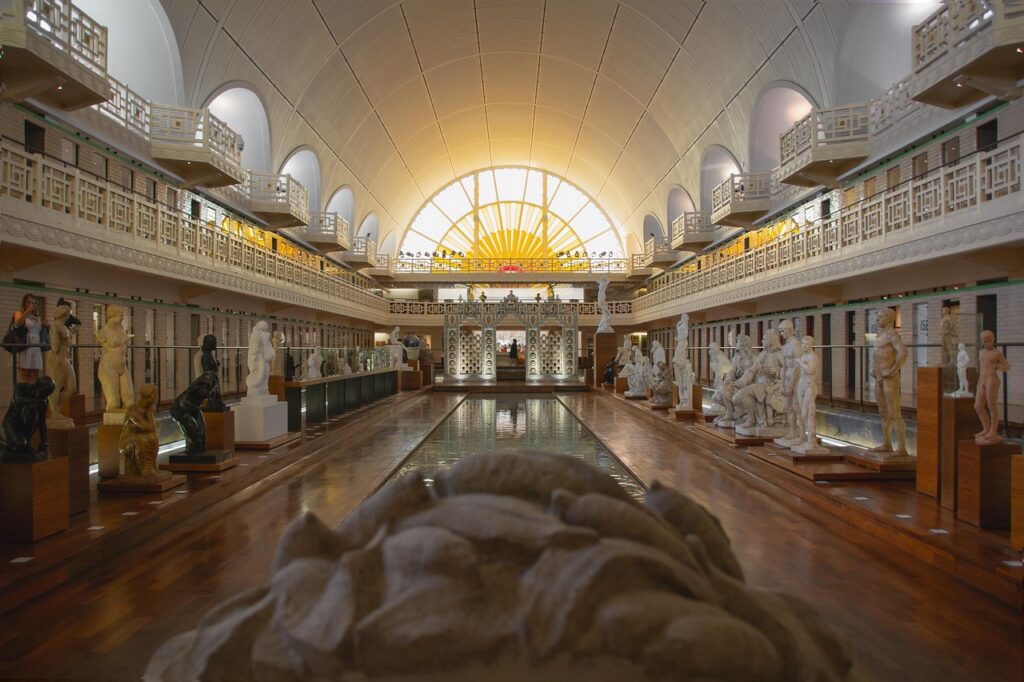
The specific reason to look at 2026 rather than another year is the eighteenth Biennale de Lyon. The contemporary art biennial runs from 19 September to 13 December 2026, with exhibitions and installations distributed across several locations in Lyon and the wider metropolitan area. The 2026 edition is titled Passer d’un rêve à l’autre, or To Pass from One Dream to Another, and its relationship with Lyon’s famous traboules is not incidental.
That changes the texture of a city break.
Instead of setting aside one afternoon for a contemporary art museum, the Biennale can become something encountered between neighbourhoods, along a route, or as a reason to cross an area of the city you might otherwise have skipped. The 2026 programme includes venues ranging from the Musée des Confluences to the slopes of Croix-Rousse and other unexpected urban spaces, with more than 300 related exhibitions, openings and encounters taking place as part of the wider Résonance programme.
Then comes Beaujolais Nouveau.
The annual release takes place on the third Thursday of November, a date established by French decree in 1985. In 2026, that falls on Thursday 19 November. The tradition has become a global event, but Lyon’s position close to the Beaujolais wine region makes it particularly relevant to a city visit.
There is something slightly theatrical about the whole thing. The new wine arrives, glasses are raised and restaurants and bars have an excuse to turn an ordinary November evening into an occasion.
The point is not necessarily whether Beaujolais Nouveau is the finest wine you will drink in France.
The point is that, for one night, the city has a very particular reason to gather around it.
And then autumn begins to tip towards winter.
The Fête des Lumières is confirmed for 5 to 8 December 2026, technically just beyond the meteorological end of autumn but very much within the period when an autumn France itinerary can be planned around it. The festival now runs over four evenings, with installations and projections across the city and the traditional significance of 8 December still visible in the lumignons placed in windows.
That timing matters for practical reasons too. A traveller considering the lights needs to think about accommodation, transport and the shape of the trip well before December arrives. The event is not something to discover casually after landing in Lyon.
None of these three moments alone would necessarily be strong enough to reroute an entire France itinerary.
Together, arriving in the same season and the same city, they give autumn 2026 a character that Lyon does not have every year.
What Autumn Actually Gives You Here
Lyon’s reputation as a food city is often flattened into a single phrase about being the gastronomic capital of France. That undersells what the city actually offers.
The important thing is not simply that Lyon has famous dishes. It is that food is deeply connected to the city’s neighbourhoods, markets, bouchons and regional relationships. Traditional Lyonnais cooking includes dishes such as quenelles, saucisson brioché and praline tart, while the city’s bouchons continue to serve food rooted in local ingredients and the surrounding terroir.
Autumn gives that food culture a particular context. The weather begins to cool, menus become more suited to longer meals, and the harvest season brings the nearby Beaujolais vineyards into the wider picture. The Lyon Tourist Office specifically highlights autumn as the season when hearty Lyonnais food returns and the cultural calendar gets properly underway.
It is worth making one distinction here. The Cité Internationale de la Gastronomie, which once operated within the Grand Hôtel-Dieu, is no longer open to the general public. The Lyon Tourist Office states that it has not been accessible to the public since the first quarter of 2025.
That does not diminish Lyon’s food identity. If anything, it points towards a more useful way of experiencing it: through the places where the city’s food culture is actually lived rather than through a single attraction designed to explain it.
The Biennale changes the texture of a Lyon visit in a similar way.
Because the 2026 edition spreads across multiple venues, contemporary art can become part of the geography of the trip rather than a separate activity. You might spend a morning moving through Vieux Lyon’s Renaissance streets and traboules, cross towards the Presqu’île, and then encounter a Biennale installation somewhere that was never originally part of the day’s plan.
That sense of discovery suits Lyon.
The traboules themselves are part of the city’s particular character. These passageways through courtyards and buildings were created to allow people to move between streets, particularly through the dense historic quarters of Vieux Lyon and Croix-Rousse. They are architectural shortcuts, but they also tell a story about how the city was built and how people moved through it.
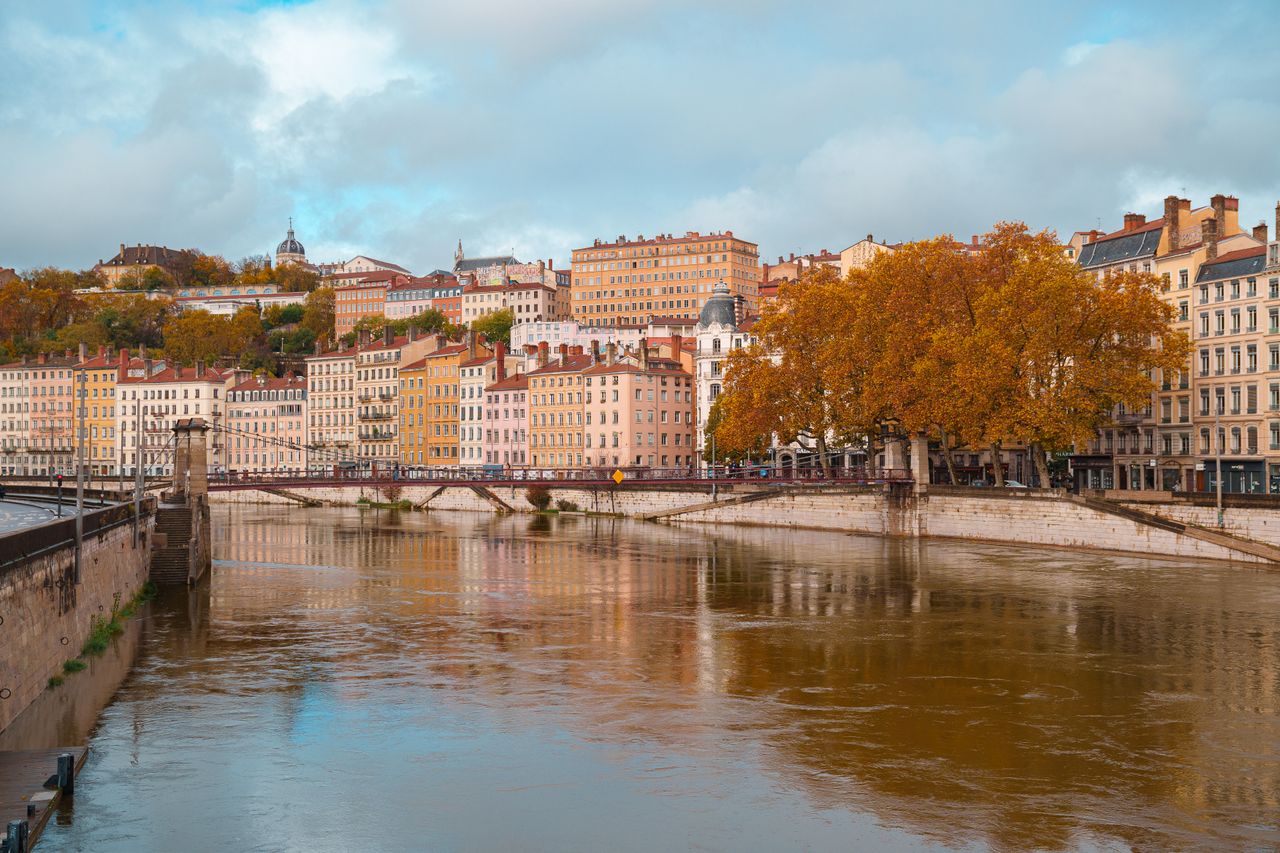
Autumn makes the experience especially appealing because the city begins to change visually as well as culturally. The Lyon Tourist Office highlights the season’s colour along the Rhône and in places such as Parc de la Tête d’Or, while the cooler weather shifts the rhythm of a day towards walks, cafés, markets and longer meals.
The weather can still change within a single day, however. A mild afternoon can give way to a much cooler evening, particularly once the sun drops behind the hills. Layers make more sense than packing for one imagined version of autumn.
There is a slower argument for Lyon too, one that has less to do with any single event on the calendar.
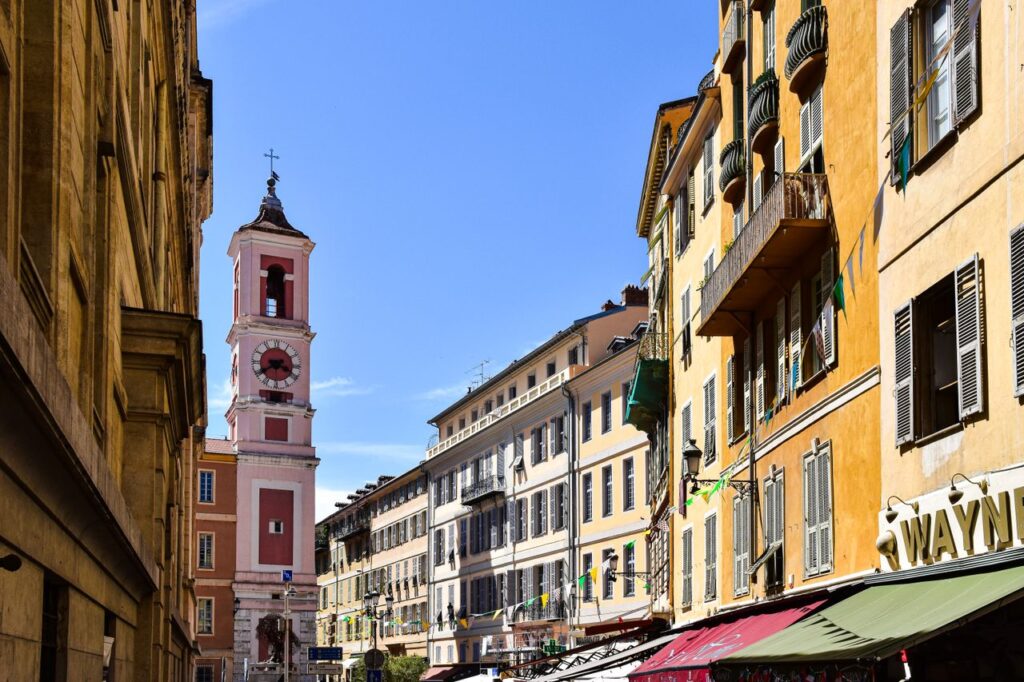
The city rewards a traveller willing to spend an unhurried morning simply crossing between its two rivers, from the Presqu’île’s grid of streets and squares towards Vieux Lyon’s Renaissance façades, then upwards towards Fourvière for a wider view across the confluence.
None of that requires a complicated booking.
It requires time.
And that may be the most important reason Lyon deserves consideration on an autumn France itinerary. You can spend a morning walking without feeling that you have failed because you did not tick off enough attractions. You can stop for lunch. You can follow a street because something about it looks interesting. You can return to the river later in the day when the light changes.
That is a different kind of city break from trying to conquer Paris in three days.
Lyon makes particular sense for the traveller who wants France to feel lived in rather than simply photographed. It suits a trip where food, history, architecture and culture can sit alongside one another without every day being built around a single headline attraction.
That is where the city becomes more than a stopover.
What to Book
Lyon is unusually easy to add to a longer France itinerary. Current rail schedules show direct TGV services between Lyon Part-Dieu and Paris with journey times commonly under two hours, while the Lyon Tourist Office describes the city as around a two-hour TGV journey from Paris.
That changes the calculation. Lyon does not need to replace Paris. It can sit alongside it.
Once in Lyon, a guided walk through Vieux Lyon and its traboules is worth considering if you want the history behind the architecture rather than simply following a pretty route. The passageways are more interesting when you understand why they exist and how the districts around them developed.
Lyon Vieux Lyon and traboules walking tour
If contemporary art is part of the reason for travelling in autumn 2026, check the Biennale programme before booking individual activities. The exhibitions are distributed across several locations, so the best approach is to build the art around the geography of the day rather than treating every venue as a separate excursion.
Lyon cultural experience / Biennale-related experience
Accommodation deserves earlier attention if the itinerary extends towards the Fête des Lumières. The festival runs from 5 to 8 December 2026, and anyone travelling for those dates should treat accommodation and arrival logistics as part of the event planning rather than leaving them until the final weeks.
Lyon hotels and accommodation search
For arrivals into Lyon-Saint Exupéry, there is already a direct public transport option in the Rhônexpress airport tram, which connects the airport with the city and operates throughout the week. A private transfer can still make sense if you are arriving late, travelling with substantial luggage or simply want the first evening to involve fewer decisions.
And if Beaujolais is part of the appeal, there is another option beyond simply drinking the Nouveau in the city. The surrounding wine region can be approached as a day experience from Lyon, with current tourism offerings including guided visits, tastings and food pairings with local producers.
Practical Tips
Lyon’s autumn weather rewards flexible packing. Bring a proper outer layer, but do not assume every day will feel cold from morning onwards. The city’s own autumn guidance emphasises the changing colours, outdoor walking and the return of heartier food, which means the season is still very much about being outside rather than retreating indoors.
If the Biennale is part of the draw, check the venue map before building your days. The 2026 edition deliberately moves through different parts of the city and metropolitan area, and the wider Résonance programme adds hundreds of related exhibitions and events. Grouping nearby venues together will save unnecessary crossings and leave more time for Lyon itself.
Restaurant planning deserves some attention too. Lyon has a dense concentration of small bouchons and traditional restaurants, and the city’s established establishments can be busy at popular meal times. Booking ahead becomes particularly sensible around major event dates, especially if the restaurant is part of the evening rather than simply somewhere to eat between attractions.
Beaujolais Nouveau is worth approaching with the right expectations. It is a cultural and seasonal ritual as much as a wine-tasting exercise. The official Beaujolais organisation describes the third Thursday of November as a major annual celebration that now extends far beyond the region itself. In Lyon, that makes 19 November 2026 an interesting evening to be in the city, whether or not Nouveau becomes the best wine of the trip.
If the Fête des Lumières is part of the plan, remember that December is not simply an extension of an autumn city break. The festival changes how the centre operates, and the four evenings are built around large-scale public installations and crowds. Plan the accommodation, arrival point and evening route before the lights become the focus of the trip.
And perhaps most importantly, leave some space.
Lyon is easy to over-plan because its attractions look manageable on a map. The better experience may be the day that contains one planned cultural visit, one proper meal and several hours in between with nowhere urgent to be.
Some links in this article may be affiliate partnerships, which means Rianway Travel may earn a small commission at no additional cost to you. These partnerships help support the ongoing research and editorial work behind the guide.
Related Guides
Where to Stay in Lyon explores how to choose a base according to the kind of Lyon experience you want, from historic atmosphere to transport convenience.
Lyon Experiences Worth Booking looks more closely at the tours, scenic drives and day trips that can add depth to an autumn stay.
Do You Need an Airport Transfer in Lyon? works through the arrival question itself, including when a private transfer is useful and when Lyon’s public transport options may be enough.
This post contains affiliate links. If you book through these links, Rianway Travel earns a small commission at no extra cost to you. We only recommend experiences and partners we genuinely believe in.
Please Follow us on Facebook, and Pinterest for more amazing insights and tips.